
What are Restricted Products?
Quick answer: Amazon restricted products are items you can only list after meeting extra requirements (often called “gated” products), plus items Amazon doesn’t allow at all. Restrictions can apply to a whole category, a brand, or a single ASIN, and they differ from one seller account to another. You can check any product in Seller Central before you buy it, and if you see “Apply to sell,” you need Amazon’s approval first.
Giving customers a safe, trustworthy buying experience is Amazon’s main goal. Amazon has gated some categories for years and expanded brand and category restrictions significantly from 2016 onward. There is no single definition of a restricted product, and restrictions generally vary from product to product and account to account.
It helps to separate three terms that sellers often mix up:
- Gated (approval required): you can sell the item once Amazon approves your account for that category, brand or ASIN, usually after you submit supplier invoices or compliance documents.
- Restricted: Amazon’s umbrella term for products covered by its Restricted Products policies. Some are gated, some have extra rules (labeling, licensing, safety testing), and some can’t be sold at all.
- Prohibited: items that can’t be listed on Amazon, or can’t be sent to FBA warehouses, no matter how good your account is.
Gated products are sellable, but only after Amazon confirms you can source them from legitimate suppliers and handle them safely.
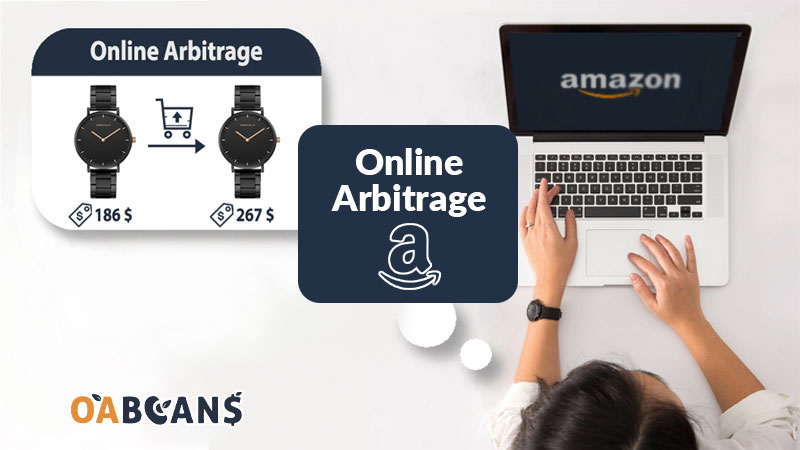
So, you need to pass the approval process first; after that, you can list the products and sell them through FBA or FBM. This matters a lot when you buy online arbitrage deals, because purchasing inventory you aren’t approved to sell can leave you with stock you can’t list.
Which Products Are Restricted on Amazon?
Amazon’s Restricted Products help pages cover dozens of product types. If you list a product that violates these policies, the law, or any other Amazon policy, Amazon can take actions such as:
- terminating selling privileges
- terminating the business relationship
- permanent withholding of payments
- suspending selling privileges
- destroying inventory in our fulfillment centers without reimbursement
- returning inventory
Besides, selling unsafe products or illegal items on Amazon can lead to legal action containing criminal and civil penalties. It is strictly prohibited to sell dangerous, illegal, or other restricted products mentioned below in Amazon, including products available only by prescription. Reputable online arbitrage sourcing list providers take these restrictions into account, but you should still check every lead against your own account. Amazon’s Restricted Products pages currently cover categories such as:
- Alcohol
- Animals & Animal-Related Products
- Art – Fine Art
- Art – Home Decor
- Automotive and Powersports
- Composite Wood Products
- Cosmetics & Skin/Hair Care
- CPAP Cleaning and Disinfecting Devices
- Currency, Coins, Cash Equivalents, and Gift Cards
- Dietary Supplements
- Drugs & drug paraphernalia
- Electronics
- Explosives, weapons, and related items
- Export Controls
- Food & Beverage
- Gambling & Lottery
- Hazardous and prohibited items
- Human Parts & Burial Artifacts
- Jewelry & Precious Gems
- Laser products
- Lighting
- Lock Picking & Theft Devices
- Medical devices and accessories
- Offensive and Controversial Materials
- Other restricted products
- Pesticides and pesticide devices
- Plant and Seed Products
- Postage meters and stamps
- Recalled products
- Recycling electronics
- Refrigerants: Ozone-Depleting Substances and Substitutes
- Strike anywhere matches
- Subscriptions and Periodicals
- Surveillance Equipment
- Tobacco & Tobacco-Related Products
- Warranties, Service Plans, Contracts, and Guarantees
- Upholstered Furniture, Bedding, & Other Quilted Products
Amazon updates these pages regularly, so treat the list above as a guide and always check the current Restricted Products section in Seller Central help before you source a new product type.
FBA Product Restrictions
Even when you are allowed to sell a product on Amazon, it may not be allowed in Amazon’s fulfillment centers. FBA has its own list of prohibited products, which includes items such as alcoholic beverages, vehicle tires, gift cards and loose lithium batteries, along with products that need temperature control or that don’t meet Amazon’s packaging and labeling requirements. Products classified as dangerous goods (hazmat) go through a separate review before they can be stored. If you plan to sell those, read our guide to selling hazmat products on Amazon.
Know More About Amazon Restricted Categories and Brands
Why Does Amazon Restrict Some Products?
Overall, customers find Amazon trustworthy for buying products, and it is very valuable for Amazon. As products sellers could easily misrepresent and misuse products, Amazon has additional security measures in place. Amazon has regulations and laws that products offered for sale on Amazon must comply with. Besides, sellers have to follow Amazon’s policies. So, the main significant concerns to restrict some products on Amazon are safety concerns, risk of fraud, the reputation of Amazon. In the following, it is discussed in more detail.
1) Amazon is famous for its consumer service, and the company is very aggressive about it. Amazon tries to maintain a good buying experience by gating some products. You need to meet some requirements to ungate these products.
2) Some products and categories are more likely to be counterfeited. Luxury cosmetic products, bags, and clothes can be more heavily counterfeited than others. In many countries, this is a crime, and distribution and selling counterfeit products also have criminal penalties.
The brand owners have this right to protect their reputation and not allow third-party sellers to put their brand at risk.
3) Some companies have policies to keep the perceived value of the brand high. They protect the distribution method and do not sell their products to third-party sellers. In this way, they sell their products exclusively.
4) Some products and brands exclusively belong to network marketing companies, and their distributors are not allowed to sell these products on Amazon.
5) Some products are more sensitive, like medicine or baby products. They have more safety concerns and product recall due to the defects that compromise the safety of the consumer.
6) Some products like perfume samples are utterly restricted.
Read More: Ultimate Guide About Amazon Product Categories
How to Find Out If a Product Is Restricted?
The easiest and most straightforward way to find out if a product is gated is to check the product on your Amazon seller account.
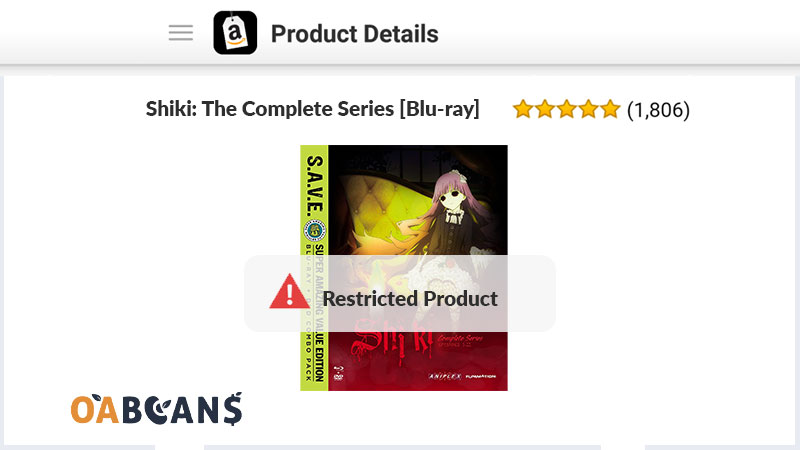
As you go forward in your Amazon business and sell more items, you will get ungated in more products. So every seller account has its own gated and ungated list. Thus, if you want to be sure that you can sell a product, search for its ASIN, UPC or title in Seller Central under Catalog > Add Products. If you can list it right away (“Sell this product”), you are approved. If you see “Listing limitations apply” or an “Apply to sell” button, the product is gated for your account. You can run the same check by scanning the barcode in the Amazon Seller app, and sourcing extensions such as SellerAmp or Seller Assistant can flag restrictions in bulk. If the message says Amazon is not currently accepting new listings for the product, or that your account doesn’t qualify, there is usually no application path, so skip that item. If it shows “Apply to sell,” it means this product is gated for your Amazon FBA business. So, before adding this product to your inventory, you need to follow the ungating process as below.
How to Get Ungated on Amazon Restricted Products?
Amazon adds authentication processes and safety guidelines for the products restricted intentionally by Amazon. Sellers should go through the approval process to get ungated for selling this long list of various products. To ensure all products are authenticated and handled correctly by Amazon, sellers should follow the below steps:
- Checks
- Having invoices
- Providing documents
- Other qualification forms
Some factors help sellers to pass the approval process faster. Amazon also checks the excellent performance metrics like:
- Order defect rate (ODR) —> below 1%
- Pre-fulfillment cancel rate —> below 2.5%
- Late shipment rate —> below 4%
Having solid proof of the product’s authenticity and good metrics and safety guidelines are allowed sellers to sell restricted products and get ungated. The lack of each mentioned item can make the seller’s approval process longer, but it is still possible.
Besides, it is essential to consider the following points:
- If you have a product in a gated category and are not ungated in that category, don’t list the product in the “Everything Else” category or another category to circumvent restrictions.
- Sometimes you can sell a used product of a brand, but you cannot sell it in a new condition. Don’t use the condition description to state the item is new. Because if Amazon realizes, your account can be suspended to attempt to way around the listing restrictions.
- Don’t make any fake documentation to represent yourself as an authorized seller. It’s a crime and can suspend your account as well as criminal penalties.
One of the approaches to get ungated on Amazon is following this guideline:
- Open a wholesale account with an authorized distributor or the manufacturer, using the exact business name and address on your Seller Central account (if you have an LLC, the invoice should show the same legal name).
- Buy the products you want to sell. Many sellers report that Amazon looks for recent invoices (often within the last 180 days) covering around 10 or more units, but requirements vary by category and brand.
- Check the invoice before you submit it: your name and address must match Seller Central, the supplier’s full contact details must be visible, and the document must be an unaltered commercial invoice, not a retail receipt.
- Submit your application from the “Apply to sell” button or from Manage Selling Applications in Seller Central. See our step-by-step guide on how to submit invoices for Amazon ungating.
You can have another approach to get ungated as below:
1) Sign up for a Professional Selling Plan which you should pay $39.99 monthly.
2) After logging in to your account, click on “Add Product” and look for the product you want to sell.
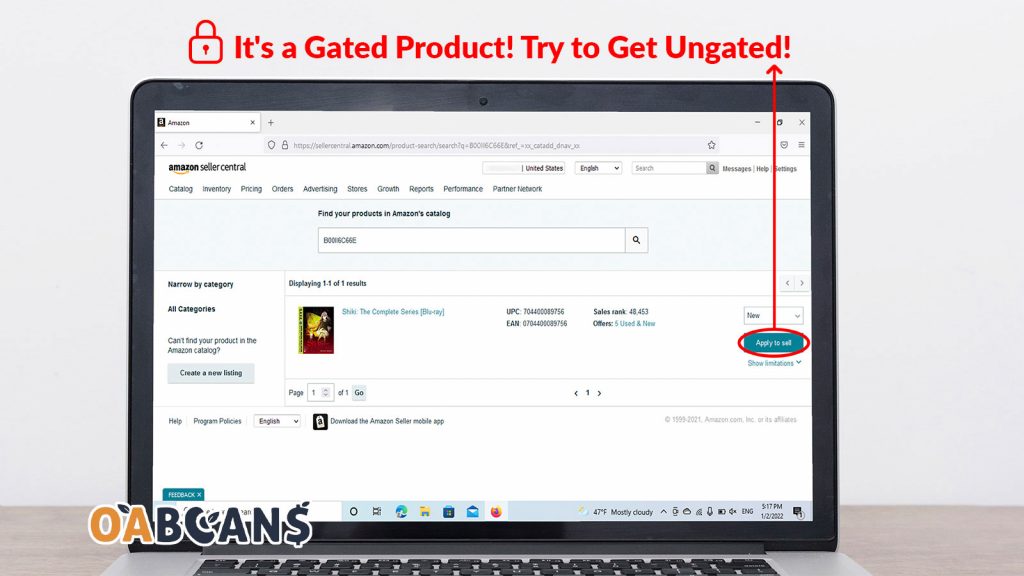
3) As you found the product, there is a link next to it “Listing Limitations May Apply” Click on it. The next step is to click on “Request Approval.”
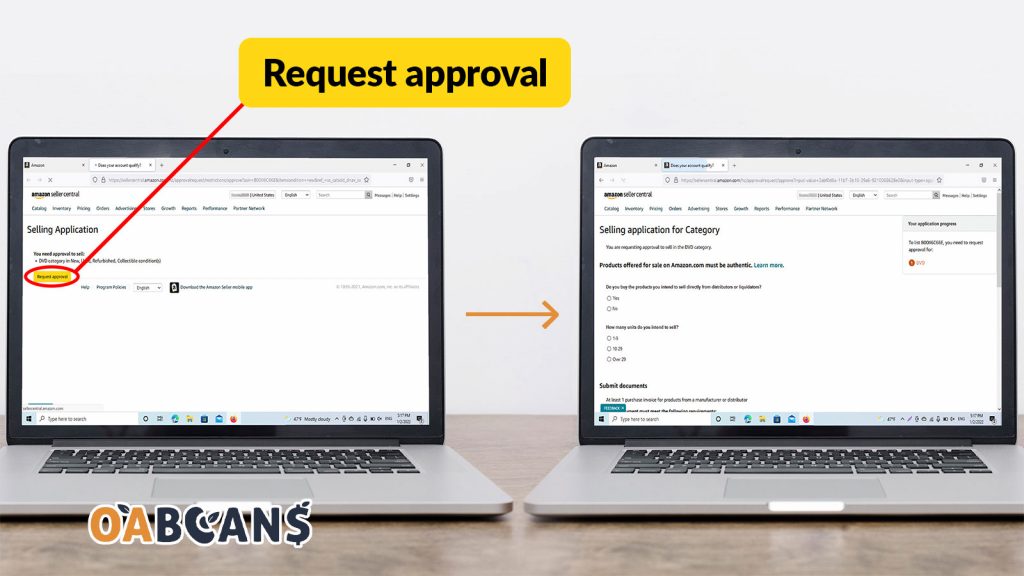
4) Now, fill out the application form, and provide whatever Amazon asks you.
Some sellers also use third-party ungating providers that help prepare applications. Keep in mind that Amazon alone decides who gets approved, so be wary of anyone who guarantees approval. If you are an OABeans leads-list member, you get free access to our Amazon Ungating Course, which walks you through preparing and submitting your own applications.
Learn more: How to Get Ungated on Amazon?
Final Thought
Although Amazon restrictions on products seem frustrating for the sellers, it’s understandable. Such restrictions will become more common in the future because Amazon wants to protect its reputation and protect its customers and, eventually, Amazon’s business.
So, if you haven’t started the ungating process yet, begin as soon as possible if you want to take your sales to the next level. Until then, always check each product against your own account before buying. OABeans members can combine daily online arbitrage leads with our free Amazon Ungating Course to work on approvals in parallel.
Amazon Restricted Products: FAQ
Why are some items restricted to sell on Amazon?
Mainly for customer safety, legal compliance and counterfeit prevention. Products like supplements, topicals, baby items and medical devices carry safety risks, popular brands are frequently counterfeited, and some brand owners limit who can resell their products.
Is there an official Amazon restricted brands list?
No. Amazon doesn’t publish a complete list of restricted brands, and restrictions differ by account. Lists you find online are compiled by sellers and go out of date quickly; the only reliable check is searching the ASIN in your own Seller Central account. Our guide to Amazon restricted categories and brands covers the most common ones.
Can I avoid restrictions by selling with FBM?
No. Gating applies to your seller account, not to the fulfillment method. FBM only helps with items that are allowed on Amazon but excluded from FBA warehouses.
What happens if I sell a restricted product without approval?
Amazon can remove the listing, block or destroy FBA inventory, and suspend your selling privileges. If that happens, see our guide on fixing an Amazon account suspension.




18 replies on “Amazon Restricted Products [2026 Update]”
Sometimes Amazon allows you to list the product and then the Brand Owner comes after you with an IP Infringement after you’ve been selling something for years. Yes sometimes means NO on Amazon. You really never know until Amazon or the brand comes after you.
Thank you for sharing your experiences with us
It’s actually a great and useful piece of info. I’m glad that you shared this useful info with us. Please keep us up to date like this. Thanks for sharing.
We’re happy to be able to create useful content for you 🙏
great article🖐
Thanks sir.
Thanks oabeans
✋
Does your ungating service have money back guaranty?
Yes. We are fully responsible for our customers. We will refund 100% of your money if we couldn’t ungate your account. For more info please click on the link below.
https://oabeans.com/amazon-ungating-service/
Good Article
Thanks for your comment 🌹
My job is to sell PS4 games. The question I have is, can I sell my products on Amazon?
Yes. Selling DVD is gated category on Amazon. so you can sell any game you have on the Amazon
Are gated and ungated categories common to all Amazon accounts?
Hi Silvia
Every seller account has its own gated and ungated list. Thus, if you want to be sure that you can sell in a category or a brand, try to add some ASINs of that category or brand in your seller account.
Hello.
My Amazon is gated in a few products and brands related to my field of work. I wanted to ask if there is a way to get gated in these products?
Yes, of course. For more information about ungating products, brands, and categories related to your field of work, refer to the following link.
https://oabeans.com/amazon-ungating-service/