What are Amazon Restricted Categories?
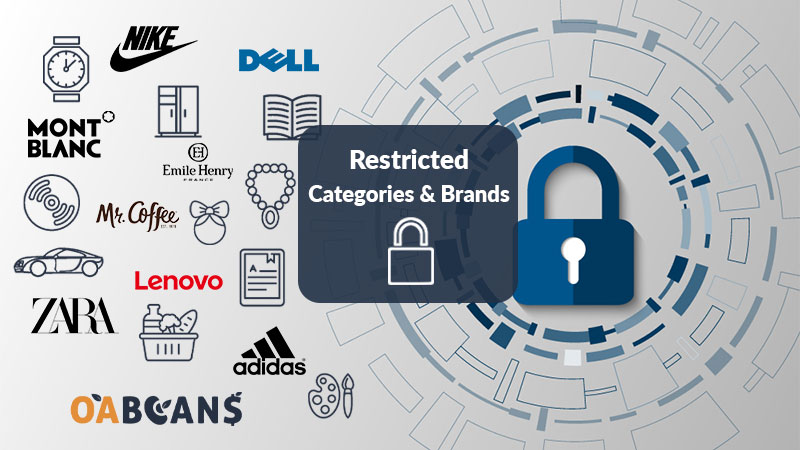
Amazon restricted categories, also called gated categories, are product categories you can only sell in after Amazon approves your account. When you try to list an item in one of them, Seller Central shows “Listing limitations apply” or “Approval required”, and you must apply to sell before you can create an offer. Getting approved is known as ungating on Amazon.
Amazon also gates individual brands, product lines and even single ASINs. Every seller account has its own mix of gated and ungated categories and brands, so a product that is open to one seller can be restricted for another. Getting ungated in a gated category or brand usually means less competition and better margins, which is why it matters so much for online arbitrage and wholesale sellers.
Which Categories Are Restricted on Amazon?

Amazon publishes the current list on its Seller Central help page “Categories and products that require approval”. In the US store, the categories that commonly require approval include:
- Automotive & Powersports (parts and accessories)
- Collectible Coins
- Entertainment Collectibles
- Fine Art
- Jewelry
- Music & DVD
- Personal Safety and Household products
- Sports Collectibles
- Streaming Media Players
- Video, DVD & Blu-ray
- Watches
- Made in Italy
- Amazon Subscription Boxes
- Amazon Handmade (application-based)
- Toys & Games during the holiday selling period (seasonal requirements)
Some regulated products, such as alcohol, certain cosmetics and topicals, and some health products, also need extra approval or documentation. On top of that, many sellers see “approval required” on a large share of ASINs in Grocery & Gourmet, Beauty, Health & Household, Pet Supplies and Toys because of brand-level restrictions. The list changes over time, so always check Amazon’s help page and your own account before buying inventory.
If you want to start with categories most new sellers can list in right away, see our guide to Amazon open (ungated) categories.
What are Amazon Restricted Brands?
Brand restrictions became widespread around 2016, when counterfeit products from big brands such as Nike, Adidas and LEGO were a growing problem on Amazon. Brand owners and Amazon use them to protect customers and brand reputation (see how to get ungated in Nike on Amazon).

You can be ungated in a category and still be blocked from some brands in it. Sometimes the whole brand is restricted, sometimes only a product line, a category within the brand, or a single ASIN. Restrictions also vary by marketplace, so being approved on Amazon.com does not mean you are approved on Amazon.ca or Amazon.co.uk.
Which Brands Are Restricted on Amazon?
Amazon does not publish an official list of restricted brands, which is why brand gating confuses so many sellers. Lists maintained by tools such as Seller Assistant App help, but the only reliable check is your own seller account. Here are some of the best-known gated brands:
Selling well-known brands without approval, or with products from unreliable sources, can also lead to IP complaints on Amazon, so check brand restrictions before every purchase.
Why Amazon Restricts Some Categories and Brands?
Some products and categories, such as luxury cosmetics, bags and clothing, are far more likely to be counterfeited. Selling counterfeit goods is illegal in many countries, and brand owners have the right to protect their reputation from third-party sellers who put it at risk.

Because Amazon is customer-focused, it restricts certain categories and brands, especially for newer sellers, for three main reasons:
- Product safety
- Regulatory compliance
- A trustworthy experience for customers
This lets customers buy on Amazon without second-guessing whether a product is genuine.
How to Find Out If a Category or Brand Is Restricted?
The most reliable way is to check the product in your own Seller Central account:
- Go to Catalog > Add Products (or use the Amazon Seller app).
- Search for the ASIN, UPC or product name.
- If you see “Listing limitations apply” or “Show limitations”, click it. If approval is required, you will see a Request approval button.
- Repeat for a few ASINs in the same brand or category. If they are all restricted, that brand or category is gated for your account.
Sourcing tools such as SellerAmp, Seller Assistant and RevSeller can also show eligibility while you browse, but they read it from your account, so they are only as accurate as your connection to Seller Central.
How to Get Ungated on Amazon Restricted Categories and Brands?
Some brands and categories approve eligible accounts instantly when you click Request approval, often called auto-ungating. Others require documents. Before you apply, make sure your account health is strong. Amazon’s main targets are:
- Order Defect Rate below 1%
- Pre-fulfillment Cancel Rate below 2.5%
- Late Shipment Rate below 4%
- Valid Tracking Rate above 95% (for seller-fulfilled orders)
Amazon also shows an overall Account Health Rating on your account health dashboard; keep it in the healthy range before applying.
Then follow the approval process:
- Click Request approval on a restricted ASIN and read the exact requirements shown for that category or brand.
- If invoices are required, buy from the manufacturer or an authorized distributor (not retail stores) and make sure your business name and address match your seller account.
- Submit clear, recent invoices and any other documents requested.
- Track the application in Seller Central and respond quickly if Amazon asks for more information.

Requirements change often and differ by category and brand. Our guide on how to submit invoices for Amazon ungating covers the document details. OABeans leads-list members also get free access to our Amazon Ungating Course (The Ungating Sprint), which walks you through applying step by step. Amazon makes every approval decision, so no course or service can guarantee approval.
Final Thought
Amazon’s restrictions on categories, brands and products can be frustrating, but they protect customers and brand owners, and they also keep competition lower for sellers who do get approved. Restrictions will always exist, and sellers can always apply.
If you want to grow your Amazon FBA sales, start the ungating process early and keep your account health strong. Each new category or brand you open gives you more products to source and more room to scale.
If you are a new seller, or you do not want to spend time hunting for products you are allowed to sell, OABeans online arbitrage leads give you daily checked deals, and every member also gets our free Amazon Ungating Course to help open more categories and brands.
FAQs
What are gated categories on Amazon?
Gated categories are product categories where Amazon requires approval before you can sell. When you try to list a product in one, Seller Central shows “Listing limitations apply” and a Request approval button.
Does Amazon publish a list of restricted brands?
No. Amazon publishes the categories that require approval, but not a full list of restricted brands. The reliable way to check a brand is to search its ASINs in Catalog > Add Products in your own seller account.
Why are some items restricted to sell on Amazon?
Amazon restricts items to protect customer safety, meet legal and regulatory requirements, and reduce counterfeits, especially for brands and categories that are often faked.
How do I get ungated in a restricted category or brand?
Keep your account health strong, click Request approval on a restricted ASIN, and provide what Amazon asks for, often recent invoices from a manufacturer or authorized distributor. Some brands approve eligible accounts instantly. Amazon decides every application.