


Looking for the best retail arbitrage books? Our top picks are Chris Green’s Arbitrage and Online Arbitrage, followed by beginner-friendly guides from Kevin Howard, Matthew Scott and Andrew J. King. Below you’ll find what each book covers, who it’s for, and a few tips on reading older arbitrage books now that Amazon’s rules and fees have changed.
What is Retail Arbitrage?
In Retail Arbitrage you take advantage of price differences in two marketplaces. Actually, the act of buying goods at a low price at the shelves from any brick and mortar local retailer and reselling them in another marketplace at a higher price is known as Retail Arbitrage. With this method, you will get lots of profit for your business, but you should know how to do Retail Arbitrage? Walmart, Home Depot, Target, and Lowe’s are some retail stores where you can provide your product.

There are various platforms such as Facebook, Amazon, eBay to sell your products, but Amazon is the most popular platform as it offers attractive features.
😍 Read More: How to Do Retail Arbitrage? [Ultimate Guide]
How Can You Make Money with Retail Arbitrage?
If you are looking for some side income, Retail Arbitrage is a great way. If you buy the products at a significantly lower price than the marketplace like Amazon that you want to resell your items, retail arbitrage makes you money. Obviously, to calculate your profits, you should deduct shipping costs and marketplace fees.

Various scan tools can help you check the profitability of the product you want to buy. By scanning the product’s barcode with your smartphone, you will see the price and profit margin to make a better decision on choosing the right products. To find the right one, read our guides to the best retail arbitrage tools and Amazon seller scanner apps.
You will find more information in this article How to Make Money with Retail Arbitrage?
Best Books for Online & Retail Arbitrage
The eCommerce business has helped people to earn a lot in recent years. Both Online and Retail Arbitrage are the process of purchasing and reselling products from different markets to cash in on the price difference.
In below there are the best books on Online and Retail Arbitrage that are worth reading. The books explain the principles of retail arbitrage and go through how to start an online arbitrage business right from your home.
Retail Arbitrage by Chris Green
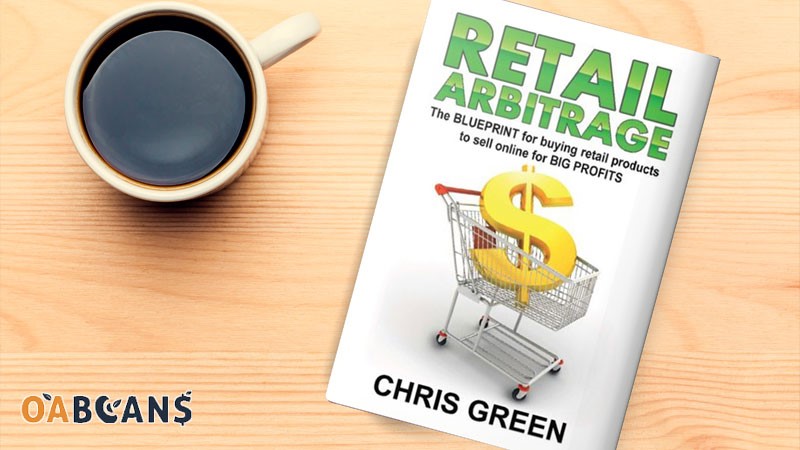
One of the best books that talk about Amazon and FBA is Retail Arbitrage by Chris Green. It is a complete, practical outline of arbitrage and explains Amazon and FBA in detail. The first edition was published in 2011; in 2013 Chris Green released a significantly revised edition under the title Arbitrage. The techniques don’t require a big investment, and reader reviews are overwhelmingly positive. Keep in mind that Amazon’s fees, category restrictions and FBA rules have changed a lot since then, so pair the book’s strategy with up-to-date information such as our guide to Amazon FBA fees.
Online Arbitrage – Black & White Version, No Private Coaching by Chris Green
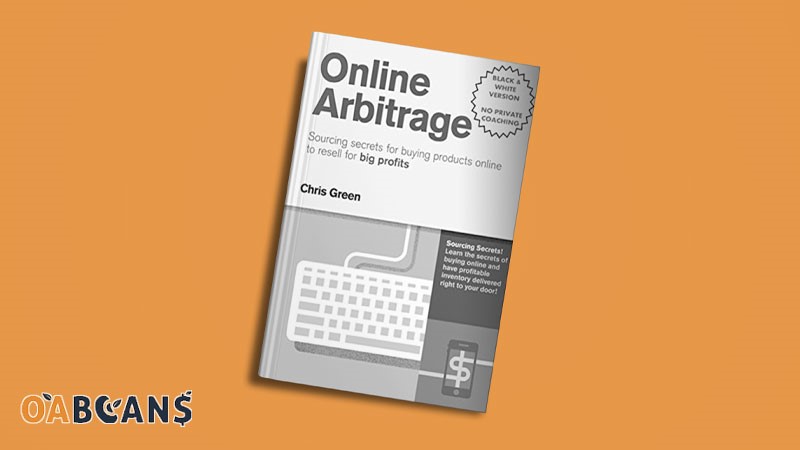
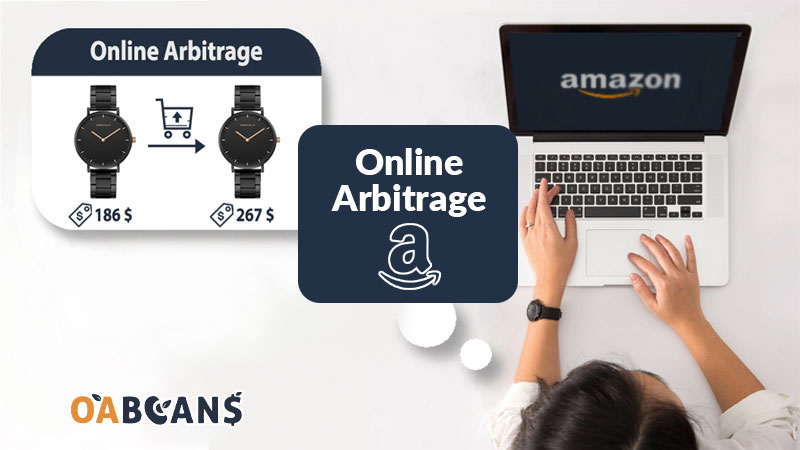
The author is the same as the bestselling book “Arbitrage,” Chris Green. Here, he describes the foundation of Online Arbitrage. A business model in which seller can buy their products online and resell them online for a reasonable profit.
The Complete Arbitrage Deskbook by Stephane Reverre

Note: this is a finance book about equity (stock market) arbitrage, not retail or online arbitrage. Read it only if you want to understand how arbitrage works in financial markets. Every aspect of the instruments, types, trading practices, and opportunities of modern equity arbitrage is explained in this book by Stephane Reverre. He shows you the possibilities inherent in worldwide arbitrage activities, and you will learn how to perform equity arbitrage among professionals in the global environment. This groundbreaking reference was written specifically for risk managers, traders, regulators, brokers, anyone who needs to increase his knowledge in the field of equity arbitrage. It seems that the “Complete Arbitrage Deskbook” is the only book to demonstrate practical analysis with operational details of modern equity arbitrage.
Retail Arbitrage Money Machine by Kevin Howard
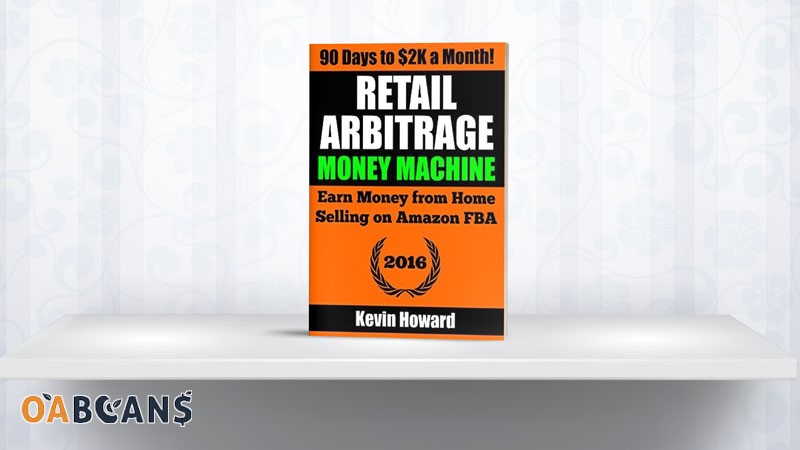
In this book, Kevin Howard shares his discoveries and experiences in reselling sale and clearance products from local retail stores on Amazon. He is an attorney-turned-entrepreneur who built his own reselling business, and the book is aimed at sellers looking for a legitimate way to start with minimal money invested.
Retail Arbitrage: A step by step Guide on How to Make Money by Matthew Scott
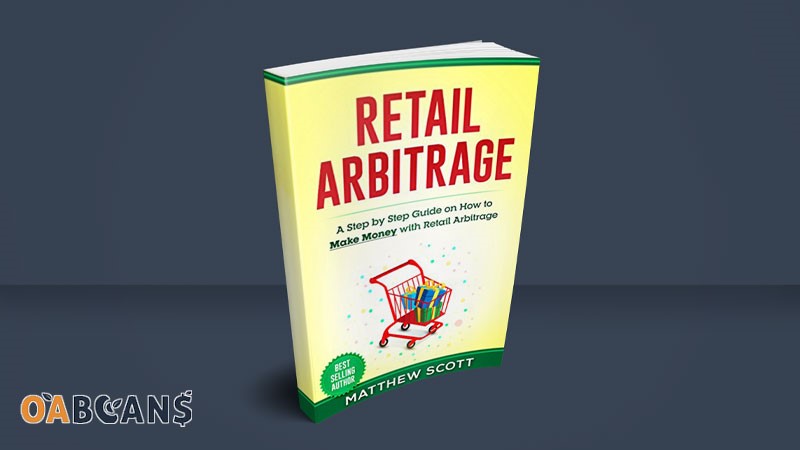
By reading this book, you will learn how to make money with retail arbitrage. Here, Matthew Scott lists the step-by-step guidelines to use this method to source and resell the goods on eCommerce marketplaces such as eBay and Amazon. He describes how Amazon FBA can help you to increase your sales. You will find everything you need to know to start your business from scratch with retail arbitrage, even if you don’t have a significant amount of money.
Retail Arbitrage for Beginners by Dale Blake
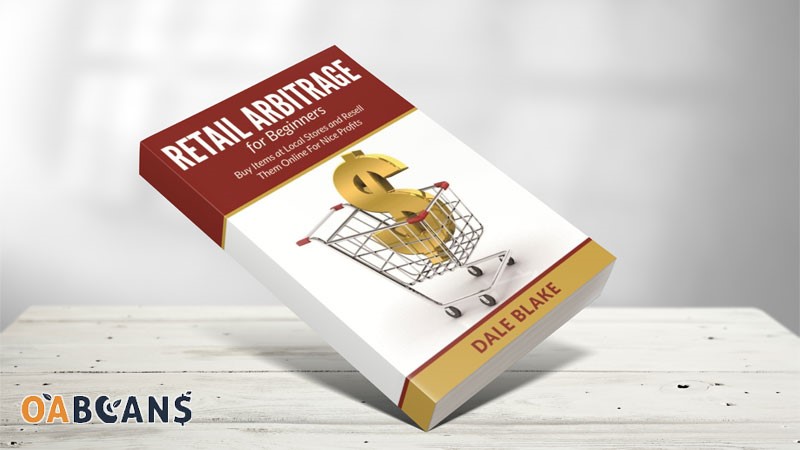
This short beginner’s guide explains the basics of retail arbitrage: finding underpriced products in stores, checking whether they will sell online, and reselling them for a profit. With fast, reliable shipping and easy-to-use scanning apps, you can start with a little knowledge and a small budget, and Dale Blake covers what you need to know to take the first steps.
Retail Arbitrage: How to Arbitrage Successfully Online by Eric Smith
One of the simple business models is Retail Arbitrage, but you should know the benefits and threats. If you want to find out the secrets of successful sellers, this mini-book helps you. When you read this book, you understand the basic principles involving Retail Arbitrage that Eric Smith clearly explains.
Retail Arbitrage the Amazon FBA Way by Andrew J. King
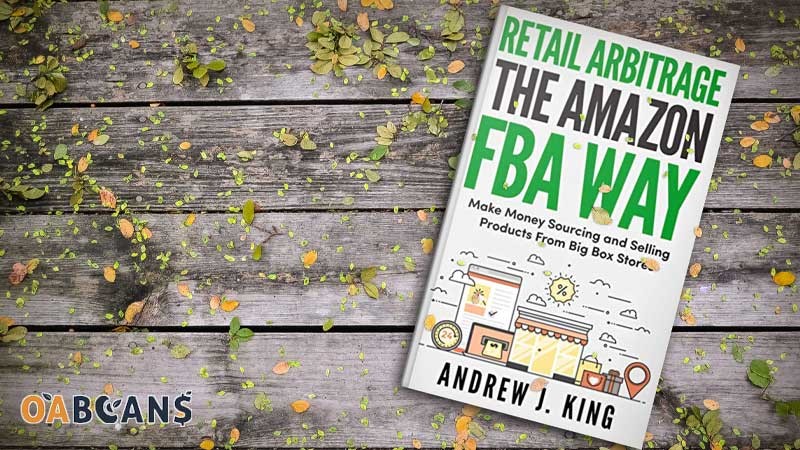
Third-party sellers sell more than half of all products on Amazon. In this book, you will get familiar with step-by-step guidelines through this process. Andrew King tries to teach you all aspects to become a master retail arbitrage and sell via FBA.
Final Thought
Retail arbitrage has grown in popularity along with eCommerce: buy low in physical retail stores and resell high online. The books above teach the core principles, but many of them were written years ago, before changes such as category ungating requirements, new FBA fees and the end of Amazon’s US prep services in 2026. Use them to learn the strategy, then check current Amazon rules before you buy inventory. To put the ideas into practice, start with our list of the best stores for retail arbitrage, and if you’d rather source from home, compare online arbitrage vs retail arbitrage.
Retail Arbitrage Books FAQ
What is the best retail arbitrage book for beginners?
Chris Green’s Arbitrage is the most complete starting point. If you want something shorter, Retail Arbitrage for Beginners by Dale Blake and Matthew Scott’s step-by-step guide are quick reads that cover the basics.
Are older arbitrage books still useful?
Yes, for the fundamentals: sourcing, product research, pricing and the buy-low, sell-high mindset. Specific details like Amazon fees, restricted categories and FBA shipping rules have changed, so always verify them with current sources.
Is there a good book on online arbitrage?
Chris Green’s Online Arbitrage is the best-known one. For an up-to-date, free overview, read our online arbitrage guide.








11 replies on “8 Best Retail Arbitrage Books for Amazon Sellers (2026)”
The insights shared here are invaluable for anyone looking to excel at online arbitrage on Amazon.
I appreciate that Amazon Marketplace offers a wide range of payment options, including PayPal and Apple Pay.
The advice provided by this site is practical and easy to implement for anyone looking to succeed with Amazon online arbitrage.
The product recommendations on Amazon Marketplace are always spot-on – I’ve discovered so many great products this way.
I love how actionable the advice offered here is for Amazon online arbitrage.
With Amazon FBA, you can easily access customer and order data, helping you make smarter business decisions.
Amazon FBA’s integration with other Amazon services, such as Sponsored Products and Enhanced Brand Content, helps boost visibility and drive more sales.
Amazon’s Seller Central provides a comprehensive dashboard where you can track your retail arbitrage sales, monitor inventory levels, and analyze performance metrics.
With Amazon’s vast customer base and global reach, retail arbitrage provides a wide market to sell your sourced products and reach customers worldwide.
I love the thrill of finding profitable products and negotiating deals with suppliers. Reselling on Amazon is like being a treasure hunter, searching for hidden gems to sell.
With retail arbitrage, you can explore various retail stores, clearance sections, and discount outlets to source products with profit potential.