Quick answer: Replenishables are products customers buy again and again, such as groceries, vitamins, cleaning supplies, diapers, and pet food. To find them for Amazon online arbitrage, look for consumable items with a steady Keepa sales rank (no seasonal spikes), many monthly sales, stable Buy Box prices, and retailers that restock them reliably. Then track each winner so you can reorder it before it sells out.
What is Amazon Online Arbitrage?
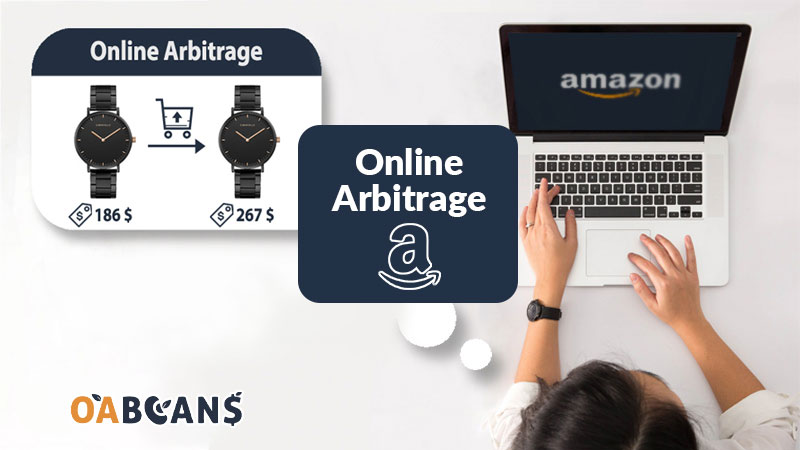
In simple terms, arbitrage is a business model where sellers source items from online stores, for example Walmart or Target, and then resell them on Amazon for a profit. This method is entirely online, meaning you don’t need to physically visit different markets. Instead, you use real websites and apps to find profitable products. With the right tools, you can easily find clearance or sale items online. Once a customer buys your product on Amazon, you send it to Amazon’s warehouses or ship it directly if you’re using FBM.
If you need more detailed information, check out our article about What is Online Arbitrage.
What Are Replenishables in Amazon Online Arbitrage?

In short, a replenishable product is an item that customers purchase repeatedly. These are products that run out, get used often or need replacing, so people buy them again and again.
The idea of replenishable items is powerful: once you discover one, you can restock it, rely on steady demand, and keep selling it over time. Be careful, though, because not every product qualifies as replenishable. Typically, they are everyday essentials or consumable items like:
- Grocery and pantry staples
- Health and personal care products
- Clothing basics like socks or undershirts
- Certain toys or hobby supplies
Top Categories for Replenishable Products

In this part, we’re going to highlight some of the most common product categories that are considered replenishables. These lists come from proven, profitable categories based on industry experience.
Grocery and Food
There’s no doubt that everyone needs food on a daily basis. Grocery items are classic replenishable products. Think about packaged foods, snacks, drinks, coffee, and spices. These are consumed regularly and customers keep coming back for them. Keep in mind that Grocery & Gourmet is a gated category for many new sellers, and food items need enough shelf life left to meet FBA expiration-date rules. Our guide on getting ungated in Grocery explains Amazon’s approval process.
Health and Personal Care
Products like soap, toothpaste, vitamins, medical supplies and personal hygiene items are purchased daily or weekly. Since they run out quickly, they are excellent replenishable options with consistent demand.
Beauty and Household
Almost everyone uses beauty and household products regularly. Skin care, hair care, cosmetics, cleaning supplies and laundry products are consumed quickly.
Baby and Child
For families with young children, items like diapers, baby wipes, baby formula and children’s vitamins are essentials. Parents purchase these products frequently, so they’re some of the most reliable replenishable categories.
Pet Supplies
Households with pets constantly buy pet food, cat litter, chew toys, grooming products and other accessories. Since pets need ongoing care, these items sell steadily month after month.
Office and School Supplies
Businesses and students often need to restock essentials like printer paper, pens, ink or toner, and notebooks. These are classic replenishable items that drive repeat sales.
Home and Kitchen
This category is broad, but many consumable or replaceable items fit here. Examples include light bulbs, kitchen gadgets, utensils, coffee filters and other everyday essentials that get used up or wear out over time.
Toys and Hobbies
Certain toys and hobby items can also be replenishable, especially consumable ones such as craft supplies, modeling clay, slime kits, and trading card packs. Most toys, however, sell seasonally and peak in Q4, so check their sales history across the whole year before treating them as replenishables.
All of these categories contain products that people use daily or weekly. Top items in them can sell hundreds or even thousands of units per month on Amazon, which shows strong repeat purchase potential. You can check a product’s volume with the methods in our guide on estimating monthly sales on Amazon. For sellers—especially new ones—focusing on these replenishable categories can be a great way to build a profitable and sustainable business.
Effective Strategies to Identify Replenishables
It doesn’t matter if you’re a professional seller or just a beginner, finding replenishable products requires smart research and diligent testing. Here are some effective strategies to help you identify them:
Start with Daily Life
Begin by looking at items that you or your friends buy multiple times a day, week, or month. For example, pasta, light bulbs, toothpaste or printer ink. If you find yourself repurchasing these items regularly, chances are millions of other people are doing the same. It’s a great idea to make a list of such products whenever you encounter them at home or while shopping. Later, if you find these products at discounted prices on different websites, you can buy them and list them on Amazon for profit.
Research Sales Rank and Trends
Another proven method is analyzing sales data. Use apps like Keepa to track a product’s price history and sales rank trends on Amazon. Replenishable product candidates usually show consistent, frequent sales over time. This data helps you avoid one-time fads and instead focus on stable, high-demand products. Look for a sales rank line with frequent drops all year, a Buy Box price that holds steady, and a seller count that is not climbing fast. Our guide on how to read a Keepa graph shows exactly what to check.
Use Online Sourcing Tools
There are many sourcing tools and browser extensions that can automatically search dozens of retail websites for products matching your criteria. These tools save time and help uncover hidden replenishable opportunities. When using this strategy, focus on items with steady year-round demand. Seasonal products may spike during certain months but then drop off, making them unreliable for consistent income.
Ensure Reliable Availability
Replenishables must be products you can restock consistently. If an item sells out quickly and isn’t available for weeks, it’s not a good choice. The goal is to build long-term sales momentum, which isn’t possible if you can’t maintain stock. Always test suppliers and confirm that inventory can be replenished regularly.
Learn from Communities and Reviews
Online communities, blogs, and forums can provide valuable insights into which products are truly replenishable. Sellers often share their experiences and results, which can guide your product choices. Customer reviews on Amazon also reveal a lot. If people mention they use a product daily or reorder it often, that’s a strong sign it’s replenishable.
Best Tools for Finding Replenishables
To find and source replenishable products, you need to use different tools. At the beginning of your business journey, you can start with free online arbitrage tools like Amazon’s own tools, browser extensions, or the Amazon Seller app. Once you gain more experience and have a few months of sales, you can move on to paid tools.
Here are some of the best online arbitrage tools you can use to find replenishable items.
| Tool / Service | What It Does |
| Tactical Arbitrage | Scans hundreds of retailer sites against Amazon listings, analyzing price, ROI, rank, and reviews. |
| OAXray / SourceMogul | OAXray is a Chrome extension that scans a retailer page for Amazon matches; SourceMogul is a web-based scanner that finds price gaps across retailers automatically. |
| Keepa (Premium) | Shows Amazon price, sales rank, and offer-count history, plus monthly sales estimates on many listings. |
| SellerAmp / RevSeller | Chrome extensions that instantly display ROI, profit, Amazon fees, and eligibility on product pages. |
| OABeans FBA Calculator | Free FBA profit calculator. Enter costs and see ROI, fees, and net margins instantly. |
| Free Tools & Extensions | The Amazon Seller app checks fees, eligibility, and listing restrictions for free, and cashback websites lower your buy cost on every restock. |
How to Manage Your Replenishable Inventory?

After finding replenishable products, it is very important to make a plan to keep them in stock.
Inventory management means ensuring your products are always available when demand occurs, without overstocking. Here we suggest some best practices for managing replenishable items:
- Monitor Sales Velocity: One of the most important strategies is to analyze how quickly each product sells, weekly or monthly. For example, calculate the average sales per day or per week. This helps you estimate lead times and set accurate reorder points.
- Set Reorder Points: A common rule of thumb is to keep enough inventory for 2 to 4 weeks of sales, plus the time it takes to buy, prep, and get a shipment received at Amazon. When your stock drops below that level, it’s time to restock.
- Use Amazon’s Restock Tools: Seller Central’s Restock Inventory tool analyzes your sales history and suggests reorder quantities and dates. Also watch your FBA capacity limits and Inventory Performance Index (IPI), because overstocking slow sellers can reduce how much you are allowed to send in. See our guide to Amazon inventory storage limits.
- Avoid Stockouts: Running out of stock on a replenishable item means lost revenue and potential long-term impact on rankings. Plan to prevent this by keeping a safety buffer or sending shipments early.
- Diversify Your Sources: Don’t buy items only from one store or website. For each replenishable, have multiple suppliers or marketplaces as alternatives. That way, if one source runs out you have backup options.
- Regularly Review Your Products: At least once a month, analyze your listings and focus your energy on products with consistently high demand. This ensures your time and money go toward items that drive steady profit.
How OABeans Supports Your Replenishable Product Strategy?

OABeans’ goal is to make online arbitrage easier, especially for beginners or sellers looking for high-turnover products like replenishables.
Our main service is providing online arbitrage leads: hand-checked products with source links, buy and sell prices, ROI, profit, and sales data for Amazon.com and Amazon.ca. New leads arrive in the members area every weekday, already checked for price history, IP complaints, competition, and whether Amazon sells on the listing. Instead of spending hours scanning sites, you can focus on buying and restocking profitable items.
Leads cover categories where many replenishables live, such as grocery, beauty, health, baby, and pet supplies. When a lead keeps selling well for you, add it to your own restock list and re-check the source price before each reorder. Members also get free access to our Amazon Ungating Course, the Ungating Sprint, which helps you prepare applications for gated categories like Grocery (Amazon makes the final approval decision). See plans and the 3-day free trial.
Conclusion
One of the most proven strategies for growing an Amazon online arbitrage business is finding and selling replenishables, products that customers buy again and again. In this article, we explained what replenishable products are, which categories to look at, and strategies to identify them. We also reviewed tools and inventory management practices that help sellers stay profitable and avoid stockouts.
The key is that after discovering a replenishable item, always monitor its performance, restock on time, and stay alert for new opportunities. Over time, building a portfolio of reliable replenishables can give you a steady, scalable income stream. Resources like OABeans make the process easier by delivering hand-checked leads with profit and sales data, so you spend less time searching and more time restocking winners.
FAQ
What are replenishable products on Amazon?
Replenishables are products customers buy repeatedly because they get used up or wear out, such as groceries, vitamins, toiletries, cleaning supplies, diapers, pet food, and printer ink.
How do I know if a product is replenishable?
Check its Keepa history over at least 12 months. A replenishable shows frequent sales rank drops all year without big seasonal spikes, a steady Buy Box price, and reviews that mention reordering or daily use.
Are replenishables good for online arbitrage beginners?
Yes. Steady demand makes them lower risk than seasonal or trendy items. Start with ungated categories, buy small test quantities, and scale up once a product proves it sells consistently at a profit.
How much inventory of a replenishable should I keep at Amazon?
A common target is 2 to 4 weeks of sales plus your restock lead time. Use Amazon’s Restock Inventory tool and stay within your FBA capacity limits so you don’t pay for excess storage.