
Quick answer: Amazon wholesale means buying branded products in bulk from manufacturers or authorized distributors at wholesale prices and reselling them individually on existing Amazon listings, usually through FBA. To start, you need a Professional seller account, a registered business with a tax ID and a resale certificate, enough capital for minimum orders, and suppliers willing to open an account with you.
What Is Wholesale Selling on Amazon?

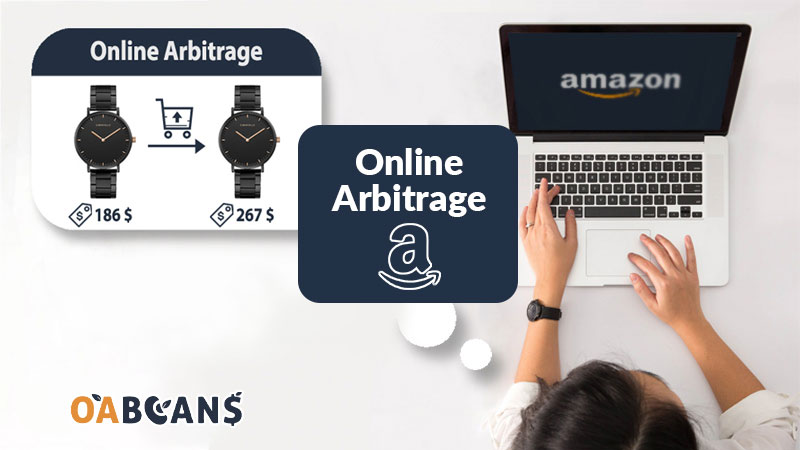
Wholesale selling is when you buy branded products in bulk directly from manufacturers, authorized suppliers, or wholesale distributors to resell them on Amazon. You need more capital up front because suppliers sell in larger quantities, but the price per unit is much lower than buying the same items from retail stores like Walmart or Target, which leaves room for profit after Amazon’s fees. It is one of the main Amazon product sourcing models, alongside online arbitrage, retail arbitrage, and private label.
Do You Need a Wholesale License to Sell on Amazon?
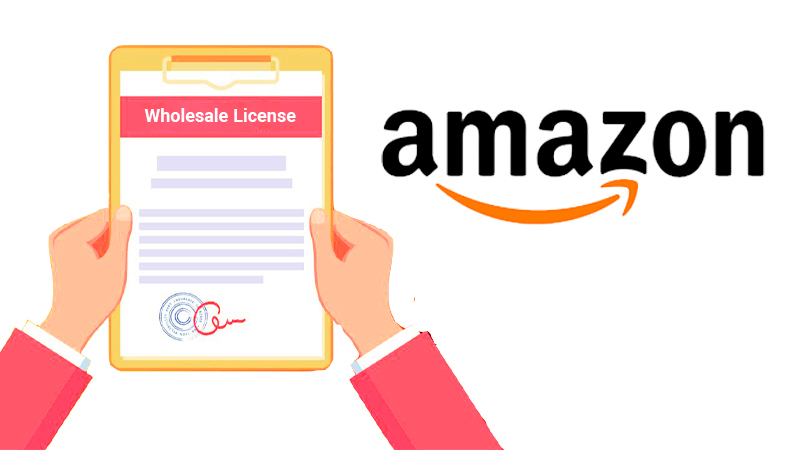
Amazon itself does not ask for a special “wholesale license.” Suppliers, however, usually only sell to registered businesses. In the US, that typically means a registered business (such as an LLC or sole proprietorship), an EIN from the IRS, and a sales tax permit or resale certificate for your state so you can buy without paying sales tax on inventory you resell. Requirements vary by state and country, so check your local rules. Our guide on getting an EIN for arbitrage covers the first step.
Is Selling Wholesale Worth it?
Wholesale takes more work and capital to set up, but it can be very rewarding. Because you build relationships with suppliers, you can negotiate better prices and reorder the same profitable products again and again. Once you have a set of proven products, cash flow becomes more predictable, and you spend less time hunting for new deals every day than with arbitrage. The trade-offs are higher minimum orders, slower approvals from brands, and more competition on popular listings.
How to Start Wholesale Selling on Amazon
1. Set up your business and seller account. Whether you start an Amazon FBA business with arbitrage or go straight to wholesale, you need an Amazon seller account. Wholesale sellers should use the Professional plan, which is required for category and brand approvals. Register your business, get your tax ID, and apply for a resale certificate before contacting suppliers.
2. Research products and brands. Product research is similar to other FBA models: look for products with proven demand (steady sales rank), a healthy number of FBA sellers, room for profit after fees, and no Amazon-only listing. Tools like Keepa help you check price and sales history before you commit.
Know More About Amazon FBA Product Sourcing
3. Find suppliers. Once you have target brands, find a supplier that can provide them in bulk. Common ways to find legitimate wholesale suppliers include:
- Contacting brands directly: many brands have a “wholesale” or “become a retailer” page, or can tell you which distributors they authorize.
- Authorized distributors: regional and national distributors carry many brands at once and often have lower minimums than manufacturers.
- Trade shows: industry events let you meet brands and distributors in person and open accounts faster.
- Product packaging and storefronts: the manufacturer details on packaging, and the brands other wholesale sellers carry, are good leads.
Always confirm that a supplier is legitimate and authorized before you order, because invoices from unauthorized sources won’t protect you from authenticity complaints. Alibaba and similar sites are mainly useful for private label manufacturing, not for buying established brand-name products.
Try to communicate with the suppliers and negotiate for a lower price. The minimum order quantity is an important factor that varies from a supplier to another. It’s better to ask for a sample before ordering your whole inventory. You can inspect the possible problems of the product before investing in it.
Big brands want to protect their value so you should prove your business as an asset to them before they let you resell their brands. Try to communicate and convince them with your business plan. Start with the smaller quantities and if it goes well, scale it up. Don’t forget that the secret of higher profit in Amazon wholesale is ordering in bulk. So don’t stay on low quantities after you assure your inventory is good enough.
Read More: Amazon Restricted Products
4. List and ship to FBA. Most wholesale sellers add their offer to existing Amazon listings rather than creating new ones. Check that you are approved to sell each brand and category, then send your inventory to Amazon. With FBA, Amazon handles storage, picking, packing, shipping, and most customer service. Your job is to monitor pricing, the Buy Box, inventory levels, and reorders.
Pros and Cons of Amazon Wholesale Selling
Nothing is perfect and Amazon wholesale has the pros and cons together. Knowing them helps you make an informed decision:
Pros of Amazon Wholesale
Less competition: Getting approval form from established brands is a little bit longer and many people don’t want to struggle with it.
More profit: The price per item is lower when you buy the products in bulk. So you can make more profit on each sale.
Less time to source the products: You don’t search for different daily leads. Once you find your supplier and negotiate the price, you source your inventory from it.
Cons of Amazon Wholesale
More capitals: the suppliers usually have high minimum order quantities. It increases the initial capital.
More risk: Because you buy in larger quantities, a product that doesn’t sell well ties up more money, so a bad purchase costs more than in arbitrage.
The tough process to get approved: Getting approved by big brands is difficult. In addition, they have rules on pricing, advertisement, and … that you should follow. It makes business management more complicated.
What Wholesale Items Sell Best on Amazon?
The best wholesale products are less about the category and more about the numbers. Look for products that are:
- Consumable or replenishable: items customers reorder, such as health and household products, pet supplies, grocery, and beauty products, give you repeat sales on the same SKUs.
- Small, light, and standard-size: they cost less to ship and store, and FBA fees are lower.
- Steady sellers: a stable sales rank year-round, not just during one season.
- Not dominated by Amazon or the brand itself: listings where Amazon Retail or the brand wins the Buy Box most of the time are hard to profit from.
Popular wholesale categories include health and household, beauty and personal care, pet supplies, grocery, toys, and home and kitchen. Several of these are gated for some sellers, so check our list of Amazon restricted categories and brands before you order.
Can You Buy Wholesale From Amazon?
Many people searching for “Amazon wholesale” actually want to buy in bulk from Amazon. Amazon is mainly a retailer: it buys products wholesale from brands (the Vendor program) and sells them to consumers. Businesses can open a free Amazon Business account, which offers business-only pricing and quantity discounts on many products. However, buying from Amazon to resell on Amazon rarely leaves any profit, and Amazon receipts don’t count as supplier invoices for brand or category approvals.
Is it Legal to Buy Wholesale and Resell?
Generally, you can resell all the products you have bought legally. But here there are two points you need to consider:
- Warranty
Some products, such as electronics, come with a manufacturer warranty. Some brands only honor that warranty for products sold by authorized resellers, so buying from an authorized distributor protects both you and your customers. Never promise a manufacturer warranty you can’t confirm.
- Trademarks and IP complaints
Reselling genuine products you bought legally is generally allowed, but brands take trademarks seriously on Amazon. Using their logos or images on your own listings without permission, or selling a brand that actively enforces its distribution, can lead to IP complaints. These can get listings removed and hurt your account health, so check a brand’s history before you invest.
Read More: Is Retail Arbitrage Legal?
Final Thought
When sellers want to take their business to the next level, many add Amazon wholesale. They source at lower prices and build steady cash flow with proven products and suppliers. Wholesale isn’t risk-free and needs more capital, so many sellers start with arbitrage, learn how to read sales data and fees, and move into wholesale once they have a profitable track record. If you are at that first stage, our online arbitrage leads give you a daily list of products to start with, and our comparison of online arbitrage vs. wholesale helps you decide which model fits you.
Amazon Wholesale FAQ
How much money do you need to start Amazon wholesale?
It depends on supplier minimums and how many products you start with. Opening orders are often in the hundreds to a few thousand dollars per supplier, so wholesale usually needs more starting capital than online arbitrage.
Is Amazon wholesale better than online arbitrage?
Neither is better for everyone. Wholesale offers repeatable orders and proper invoices, while online arbitrage needs less capital and lets you test many products quickly. Many sellers run both.
Do I need brand approval to sell wholesale products on Amazon?
Only for restricted brands and categories. Check each ASIN in Seller Central before ordering. Wholesale invoices from authorized distributors are also what Amazon asks for when you apply to get ungated.