
What is Amazon Product Sourcing?
Quick answer: Amazon product sourcing is the process of finding products you can buy at a cost low enough to resell on Amazon at a profit after Amazon’s referral, FBA, and storage fees. The main sourcing models are online arbitrage, retail arbitrage, wholesale, private label, and (under strict rules) dropshipping. Most successful sellers combine one sourcing model, a few research tools such as Keepa, and clear buying criteria for profit, ROI, and sales speed.
Choosing what to buy is where many sellers get overwhelmed. Every successful Amazon FBA business, small or large, depends on a repeatable way to find good-quality, authentic products from trusted suppliers at the right price. This guide covers the main sourcing methods, the metrics that decide whether a product is worth buying, the tools sellers use, and practical tips for sourcing products to sell on Amazon.
Amazon FBA Product Sourcing Methods
Buying random products and hoping they sell is the fastest way to lose money on Amazon. Each sourcing method has a different balance of capital, time, and risk, so pick the one that fits your budget and goals. Here are the most common sourcing methods for Amazon sellers.
Online Arbitrage
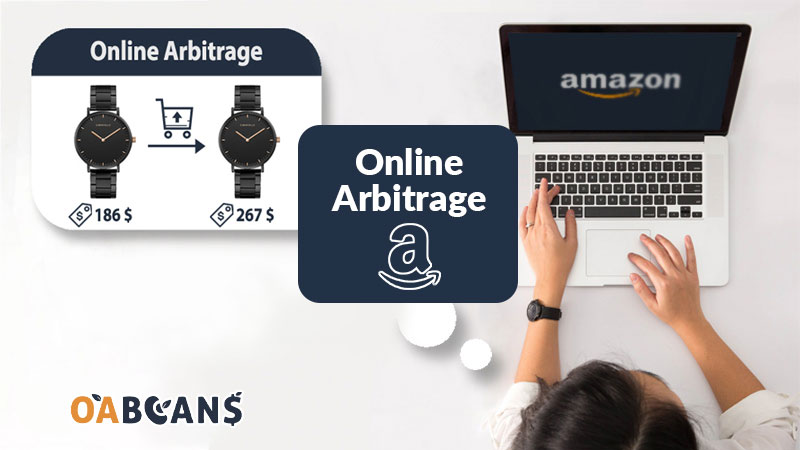
One of the easiest ways to start selling on Amazon is online arbitrage, and plenty of profitable businesses are built on it. Buying discounted products from online retailers and reselling them on a marketplace like Amazon for a profit is known as online arbitrage.

The biggest advantage of online arbitrage is convenience: you can source from your desk at home, ship purchases to yourself or to a prep center, and send them to Amazon’s fulfillment centers. Startup capital is lower than wholesale or private label, which makes it a popular starting point for new sellers. The main risks are price drops, brand restrictions, and IP complaints, so every product needs to be checked before you buy. Many sellers save hours of research by using a daily online arbitrage sourcing list of pre-checked products.
Retail Arbitrage
Another business model to sell on Amazon is retail arbitrage. It is a simple concept behind this complex phrase. Basically, the process of purchasing inventory at a low price from brick-and-mortar retail stores and then reselling them on Amazon as an online marketplace at a decent markup is defined as retail arbitrage. Although this method is simple, it is not easy. You have to look for discounted products and reliable shops and put a lot of time and effort into becoming successful. Searching through different marketplaces is essential to compare the cost of certain products.
Dropshipping
With dropshipping, you list products without holding inventory, and a supplier ships each order directly to the customer. It needs less capital, but Amazon only allows it under strict conditions: you must be the seller of record, your business must be identified on packing slips and invoices, you must remove any third-party seller information before shipping, and you remain responsible for returns. Buying from another online retailer (including Amazon itself) and having that retailer ship directly to your customer is prohibited and can get your account suspended.

Because Amazon controls fulfillment speed and customer experience so closely, dropshipping is harder to run profitably on Amazon than many beginners expect. Margins are usually thinner and late shipments quickly hurt your account health, so most FBA sellers prefer to own their inventory.
Read More: Amazon FBA vs. FBM: Which Fulfillment Method Fits You?
Wholesale
Wholesale also profits from the gap between your cost and Amazon’s selling price, but you buy established brands in bulk directly from manufacturers or authorized distributors instead of from retail stores. Bulk pricing lowers your unit cost, and you resell the products individually on existing Amazon listings. With wholesale you:
- Own and control your inventory.
- Get proper invoices, which also help with brand and category approvals.
- Can reorder the same products again and again (replenishables).
Wholesale needs more capital and minimum order quantities, and many brands only work with approved resellers. Its biggest upside is a strong supplier network that can help you scale over time. Read our full guide to Amazon wholesale to learn how to open supplier accounts.
Private Label
With private label, you find a product with strong demand, have a manufacturer produce it under your own brand (for example, a skincare line or kitchen accessories), and create your own Amazon listing. Registering your trademark with Amazon Brand Registry gives you more control over your listings and access to brand tools. Private label needs the most capital, time, and marketing (usually including Amazon PPC), but a successful brand stands out from competitors and can be very profitable.
Important Amazon FBA Product Sourcing Metrics
Whatever method you choose, the same few numbers decide whether a product is worth buying. Here are the essential Amazon FBA sourcing metrics to check before every purchase:
Profit and ROI
Calculate net profit per unit after every cost, and the return on investment (ROI) that profit represents. Many arbitrage sellers aim for at least $3 to $5 profit and around 30% ROI or more per unit, but set targets that fit your own cash flow. Products with thin margins leave no room for price drops and are risky. Our guide on how to calculate Amazon profit accurately shows how.
Competition
Check how many FBA offers are on the listing, whether Amazon itself is selling, and how often the Buy Box rotates. High demand is good, but if dozens of sellers are competing on price, your share of sales and your margin both shrink. For newer sellers, products with healthy demand and a manageable number of competitors are usually the safest choice.
Demand and Sales Rank
Demand rises and falls over time, for example after a viral trend or during the holiday season. Use the Best Sellers Rank (BSR) and its history to estimate how many units sell per month, and compare that with the number of sellers. Learn more in our guide to estimating monthly sales on Amazon.
Fees and Costs
FBA is not free. Amazon charges a referral fee (a percentage of the sale price, 15% in many categories), an FBA fulfillment fee based on size and weight, monthly storage fees, and in many cases inbound placement and low-inventory fees. Add your own costs for prep, shipping to Amazon, and sales tax where it applies. Amazon updates its fees regularly, so always check the current numbers with the Revenue Calculator or a sourcing tool. See our breakdown of Amazon FBA fees for details.
Seasonality
Some products sell well only at certain times of the year. You can make strong profits by buying them at the right time, but holding seasonal inventory after the peak ties up cash and adds storage fees. Check the sales rank history for at least the last year before buying in volume.
How to Find Profitable Products to Sell on Amazon FBA
You can figure out which products are the most profitable items on Amazon FBA by following the below steps:
1. Look for top products through keywords
The search result is the best way to determine what sells the most on Amazon. You can see the search result by entering the random keywords or specific products you want to sell.

Steady search demand is a good sign for a product’s future sales. Keyword tools such as Helium 10 or Jungle Scout estimate monthly search volume, but always confirm demand with the product’s sales rank history rather than relying on one number.
2. Durable Items
Nonbreakable and durable products are the best choices for beginners. Any damage during shipment can cause negative reviews from your customers on your first attempt. So it is better to select items with the minimum challenge.
3. Check shipping and dimensions cost for your products
Go with the products which have less weight and small size. It helps you to reduce shipping costs.
4. Choose products with a Bestseller rank (BSR)
The Bestseller rank gives you information about how well a product is selling on Amazon currently. An item can have more than one BSR since many products sell in multiple categories on Amazon.
5. Learn from the Experts
The ones who are already successful on Amazon can be your inspiration. Read their stories, learn from their mistakes, and study the strategies they share in books, podcasts, and seller communities.
Popular Sourcing Techniques Sellers Use
- Storefront sourcing: study the storefronts of successful FBA sellers to see which products and brands they sell, then check whether you can buy the same items profitably.
- Reverse sourcing: start with a product that sells well on Amazon, then search retailers and suppliers for a lower price (the opposite of scanning a store for deals).
- Retailer scanning: use software such as Tactical Arbitrage to scan retail websites and match their products to Amazon listings.
- Sourcing lists: subscribe to a leads list that delivers pre-researched products, then verify each one before buying. Compare the pros and cons in sourcing lists vs. sourcing software.
How to Check the competition for Amazon’s Products?
As much effort as you are putting into your FBA business, you are not the only one doing it. as a seller; one needs to know about their competition to succeed. Here are some simple ways to gather information about your competitor sellers and products:
- Search for similar products and read the comments and reviews. This gives you an idea about the seller’s shipping and sale process.
- Examine the prices and find out who is selling cheaper or more expensive compared to you.
- Check your competitor’s storefronts and find out about their terms and conditions. by clicking their name, you will also have access to the brands and products they sell
Best Tools for Sourcing Products to Sell on Amazon
Choosing the right software to help you with your Amazon FBA Business is crucial for success. These tools and software can help you to find online arbitrage leads.

Here are five widely used product sourcing tools for Amazon sellers:
1. Keepa
Keepa tracks the price and sales rank history of Amazon products and shows it in charts directly on Amazon through its browser extension. Price history, offer counts, and price-drop alerts make it close to essential for arbitrage sellers. The full data requires a paid subscription. Learn the basics in our guide on how to use Keepa.
2. SellerAmp SAS
SellerAmp SAS (Selling Assistant Sourcing) is a browser extension and mobile app that shows profit, ROI, fees, eligibility, and restrictions for any ASIN in one panel, which makes it a fast way to check a lead before buying.
3. Tactical Arbitrage
Tactical Arbitrage is web-based sourcing software that scans hundreds of retail websites and matches their products to Amazon listings, then filters the results by profit, ROI, and sales rank. It is powerful but takes time to learn. Read our Tactical Arbitrage review for details.
4. Helium 10
Helium 10 is an all-in-one suite, used mostly by private label and wholesale sellers, for product research, keyword research, listing optimization, and competitor tracking.
5. Jungle Scout
Jungle Scout is another popular product research platform, available as a web app and a browser extension. It estimates sales and revenue, tracks products, and includes keyword research and supplier search features.
Tool features and prices change often, so check each provider’s website before you subscribe. For more options, see our lists of the best online arbitrage tools and the best Chrome extensions for Amazon sellers.
Important Tips for Successful Product Sourcing for Amazon FBA
Amazon keeps growing, and so does the number of sellers competing for the same products. These tips will help you source more consistently and protect your margins.
1. Profitability Evaluation
You have to calculate the sourcing and shipping costs of every product you want to sell on Amazon. Selling selected products will be profitable only if your expenses are lower than Amazon’s selling price.
2. Research Product Trends
If you want to predict future sourcing needs, it is necessary to have continuous research on Amazon product trends. Keeping your inventory closely aligned with bestselling products is a good idea. This decision can reduce your unnecessary costs of storing, packaging, and shipping the products.
3. Find a reliable supplier
Providing high-quality products and delivering them on time makes a supplier reliable. This is critical for an Amazon FBA business. You should validate the legitimacy of your suppliers, regardless of where they are located.
4. Diversify your sourcing suppliers
Suppliers’ diversity is essential for succeeding your business on Amazon.
To product quality and assess costs and logistical advantages, try reaching out to multiple suppliers as you start your product search. Always some unforeseen circumstances can cause delays on your first selected supplier. So, it is wise to have more than one sourcing choice.
How OABeans Helps You with Sourcing Products
Whether a newbie or a professional, you must spend many hours a day finding profitable products and high-quality leads. Generally, reaching the best sourcing method is hard for newbies. Even professionals want to spend less time finding products and diversifying sourcing methods.

OABeans provides online arbitrage leads for Amazon FBA sellers in the US and Canada. Instead of spending hours scanning stores, you receive a list of researched products with the source link, Amazon listing, and expected profit and ROI, so you can focus on verifying, buying, and running your business. You can compare the plans on our pricing page. Every OABeans lead is checked against these criteria:
- The leads are checked for being gated or ungated
- The profit margin and ROI are specified
- The price history during the past 30-days and 90-days is monitored
- The average of the products ranking is 1% Best Seller Rank
- The various suppliers are checked both manually and using search software
- The leads don’t include dangerous and hazmat products
- The leads are checked for IP complaint
- It doesn’t send a lead that Amazon is selling at the moment
- All listed products have standard size
- The number of people receiving the same OABeans list is limited.
Final Thought
Amazon product sourcing doesn’t have to be complicated. Pick the sourcing method that matches your budget and time, judge every product by profit, ROI, demand, competition, and fees, and use tools like Keepa to verify before you buy. Whether you scan stores yourself, use sourcing software, or start from a leads list, consistency is what turns sourcing into a reliable business. New to the model? Start with our guide on what online arbitrage is and how it works.
FAQs