
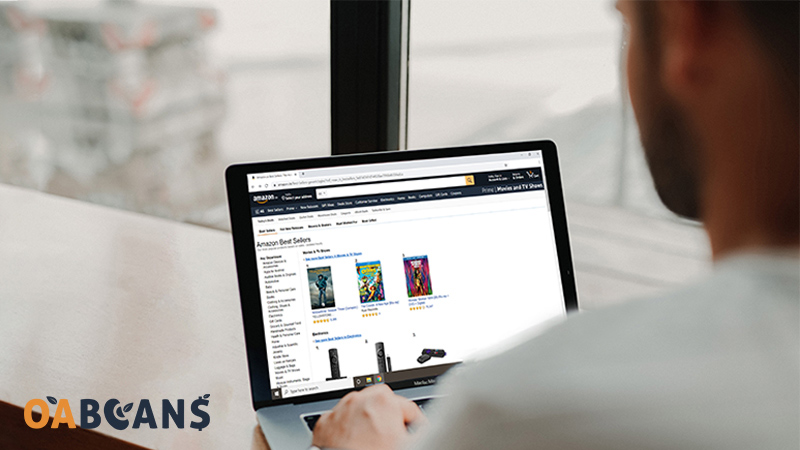
Quick answer: there are five main ways to source products to sell on Amazon FBA: online arbitrage, retail arbitrage, wholesale, private label, and drop shipping (which Amazon allows only under strict rules). Beginners usually start with online or retail arbitrage because they need the least capital, then add wholesale or private label as they grow.
Which model fits you depends on your budget, time and long-term goals. Whatever you choose, the aim is the same: buy products at a price that leaves a healthy profit after Amazon fees, from sources Amazon will accept. In this guide, we break down each sourcing method with its pros and cons, show how to compare them, and explain how to vet any product before you buy it.
1. Online Arbitrage
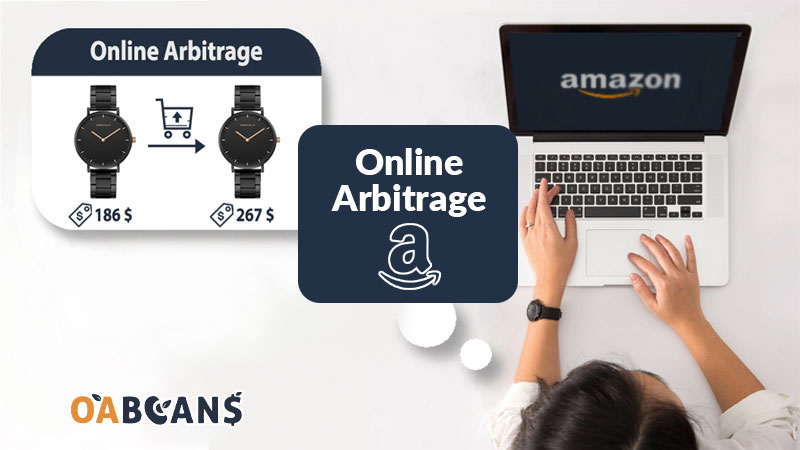
It is a good business model for new sellers. In online arbitrage, you buy discounted products from online stores like Best Buy, Target and Walmart (or even from Amazon itself during price drops) and resell them on Amazon at a profit. You can find deals manually, with sourcing software, or by subscribing to an online arbitrage sourcing list that delivers researched leads every day, which is the fastest option for most beginners. Our list of the best online arbitrage websites shows where to start looking.
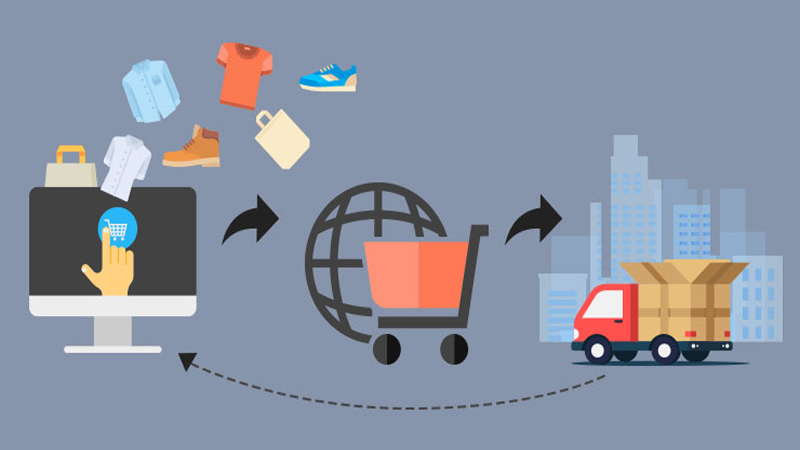
This sourcing method is very beneficial for newbies. They can start their business with a small investment and buy products.
On the con side, you need a plan to keep profits consistent. Deals sell out quickly, margins depend on accurate fee and shipping calculations, and some products are gated for new accounts. Tools like Keepa, SellerAmp and Amazon’s Revenue Calculator give you the data you need to decide quickly.
2. Retail Arbitrage
In this business model, you look for discounted and clearance products in physical stores like Walmart, Target, Walgreens and CVS, then resell them on Amazon. Liquidation, closeout and surplus stores are also good choices for retail arbitrage because almost everything they sell is discounted. A barcode scanner app is essential; see our roundup of Amazon seller scanner apps.
Another way for sourcing discounted products is buying from auctions, garage sales, and thrift stores.
Retail arbitrage business model seems easy. All you need is to find discounts and clearances and you don’t need a lot of money upfront. But it is very time-consuming and like online arbitrage, you should consider all the costs like shipment or storing and selling volume carefully. The other downside of retail arbitrage, compared to online arbitrage, is the scale capacity. In retail arbitrage your business is limited to your local shops.
3. Drop Shipping
With drop shipping, you list a product first and buy it from a supplier only after a customer orders it; the supplier then ships it directly to the customer. You never hold the inventory yourself.
Important: Amazon allows drop shipping only under its Drop Shipping Policy. You must be the seller of record, be identified as the seller on all packing slips, invoices and packaging, remove any supplier information before shipment, and handle customer returns. Buying products from another online retailer and having that retailer ship directly to your Amazon customer is not permitted and can get your account suspended. In practice, compliant drop shipping on Amazon means working with a wholesale supplier that offers blind (unbranded) fulfillment under your name.
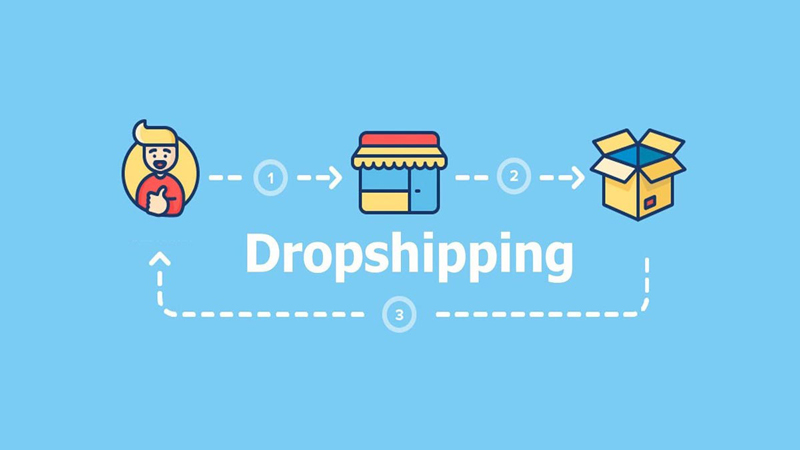
It has pros and cons. On the pro side, there is little inventory risk because you buy only after you sell. On the con side, you depend completely on your supplier: if they ship late or send the wrong item, your account metrics and reviews take the hit, because the customer only knows you. Drop-shipped orders are also fulfilled by you (FBM), so they don’t get FBA’s Prime badge unless you qualify for Seller Fulfilled Prime, and margins tend to be thin.
4. Wholesale
When you are working with the wholesale model, you buy established brands’ products in bulk directly from the brand owner or an authorized distributor and resell them on Amazon. Because you can reorder the same products again and again, wholesale is more predictable than arbitrage, but it needs more capital and a reseller account with each supplier.
Even after you established a good business relationship with the manufacturers, you can negotiate for lower prices and buy the products with better deals.
Some brands and categories are gated, so you may need Amazon’s approval (usually backed by invoices from your supplier) before you can list them. Selling gated or brand-protected products without approval can lead to listing removals or account suspension. Learn how to check this in our guide to Amazon restricted products.
To find wholesale suppliers, contact brands directly, look up their authorized distributors, attend trade shows, or use supplier directories such as Thomasnet. Always verify that a supplier is legitimate and can provide proper invoices before you place an order.
Read More: How to Start Selling Wholesale Products on Amazon?
5. Private Label
With private label, you sell products under your own brand. A manufacturer produces the item and labels and packages it with your branding, so you control product quality, packaging, listing content and pricing, and you don’t compete with other sellers on the same listing.
Most private label sellers order in bulk from manufacturers, often overseas through platforms like Alibaba, or from domestic manufacturers for faster turnaround. Expect higher upfront costs (samples, minimum order quantities, product photography, advertising) and a longer time to profit than with arbitrage. Registering a trademark lets you enroll in Amazon Brand Registry to protect your listings.
If you are looking for a private label supplier, you can have a quick search on the internet to find a supplier in your desired category.
Don’t forget that if you found a very good deal that doesn’t seem real, it is probably a scam. Counterfeit is unfortunately one of the important issues in the global marketplaces.
Read More: Online Arbitrage VS. Private Label
How to Choose the Right Sourcing Method
| Method | Startup capital | Time required | Repeatability | Best for |
|---|---|---|---|---|
| Online arbitrage | Low | Medium (low with a leads list) | Low to medium | Beginners and part-time sellers |
| Retail arbitrage | Low | High (in-store scanning) | Low | Sellers with good local stores |
| Wholesale | Medium to high | Medium | High | Sellers ready to scale with reorders |
| Private label | High | High upfront | High | Brand builders with a long-term plan |
| Drop shipping | Low | Medium | Medium | Only with a compliant, reliable supplier |
Many successful sellers combine models, for example using online arbitrage for cash flow while building wholesale accounts. For a deeper comparison, see online arbitrage vs. wholesale.
How to Vet Any Product Before You Buy
- Check restrictions: search the ASIN in Seller Central to confirm you can list it in the condition you plan to sell.
- Check demand and price history: use Keepa to review sales rank, Buy Box price and the number of offers over time (here is how to use Keepa).
- Calculate profit after all fees: include referral and FBA fees, storage, inbound shipping and prep, and sales tax. Our Amazon FBA fees guide lists every fee type.
- Watch for risks: hazmat, expiration dates, fragile packaging, and Amazon competing on the listing.
Sourcing Products for Amazon FBA: FAQ
What is the best way for beginners to source products for Amazon?
Online arbitrage is usually the easiest starting point because it needs little capital and you can start from home. A leads list cuts down research time while you learn to evaluate deals.
Is it legal to buy products from stores and resell them on Amazon?
Yes. In the US, the first-sale doctrine generally lets you resell genuine products you bought. However, Amazon can still restrict brands and categories, and you must sell items in the condition you list them and keep your receipts or invoices.
Can I dropship on Amazon?
Only if you follow Amazon’s Drop Shipping Policy: you must be the seller of record and identified on all paperwork, and you can’t have another retailer ship its products directly to your customers.
Final Thoughts
Amazon FBA business offers many different business models, and you can choose one based on your budget, skills and goals. You can be an online arbitrage seller who sources everything online, a wholesaler who reorders proven brands, or a private label seller who asks a manufacturer to produce products under your own brand.
No matter how scaled or simple your business is, it is important to know different ways of supplying and choose the great ones so you can have a consistent and profitable business.


11 replies on “How to Source Products to Sell on Amazon FBA? [Full Guide 2026]”
With Amazon FBA, you can benefit from Amazon’s extensive customer data and analytics capabilities.
One of the benefits of Amazon online arbitrage is the ability to work with a wide variety of products and categories.
The seller ratings on Amazon Marketplace give me peace of mind when making a purchase.
Amazon FBA can help you increase your product visibility on Amazon by leveraging Amazon’s search algorithms.
Amazon FBA can help you improve your seller metrics by providing fast and reliable order fulfillment, leading to more sales and positive reviews.
With Amazon FBA, you can offer more competitive product pricing by taking advantage of Amazon’s lower shipping rates.
I love the thrill of hunting for hidden gems and great deals in brick-and-mortar stores. It’s like being a treasure hunter, searching for valuable products to resell.
The FBA program allows you to tap into Amazon’s vast customer base, exposing your products to a wider audience and increasing sales potential.
Amazon’s seller forums and communities provide a supportive network of online arbitrage sellers, where you can share strategies, learn from others, and stay updated on industry trends.
Amazon’s customer service and returns management in retail arbitrage ensure a positive buying experience for your customers, enhancing your seller reputation.
Amazon FBA’s fast and reliable shipping has earned the trust of customers worldwide. It’s a key factor in building a strong reputation for my business.