


Short answer: Yes, Amazon FBA can still be profitable in 2026, but margins are thinner than they used to be and depend on choosing the right products and controlling costs. In Jungle Scout’s most recent seller survey with earnings data, about 87% of small and mid-sized sellers said they were profitable, 57% reported profit margins above 10%, and 58% became profitable within their first year. Fees keep rising slowly (Amazon raised FBA fulfillment fees by an average of $0.08 per unit in January 2026), so the sellers who win are the ones who check every product’s numbers before they buy.
What Is Amazon FBA?
If Amazon stores your inventory in its fulfillment centers and picks, packs, and ships the items when an order is placed, you are using Fulfillment by Amazon, or FBA. With FBA, you don’t deal with packing and shipping each order. Often, items go from the supplier or retailer to a prep center, which prepares them according to Amazon’s requirements and sends them to Amazon’s fulfillment centers, where they are stored until a customer orders. Amazon also handles customer service and returns for FBA orders.
Pros & Cons of Selling on Amazon FBA
When you are an Amazon FBA seller, you have to know the pros and cons of selling on Amazon FBA.
Pros:
- Higher Sales
- Ease of Shipping
- Access to Amazon Prime Customers
- Have Customer Support from Amazon
- Product Protection
- Buy Box Eligibility
- Brand Trust
- Multichannel Options
- Ease of Product Storage
Cons:
- Inventory Organization
- Lack of Control
- Increased Returns
- Branding Limitations
- Sales Tax
Is Amazon FBA Worth it?
When Amazon FBA business was released it wasn’t as popular as it is today. Due to many competitors, people ask themselves about Amazon FBA worth before starting. To determine if Amazon FBA still is profitable, you need to consider a few factors:
1. Amazon FBA Costs
Amazon doesn’t offer its service for free. On every FBA sale you pay a referral fee (a percentage of the sale price, 15% in many categories) and a per-unit fulfillment fee based on size and weight, plus monthly storage fees that rise during the October–December peak season. Oversize items cost more to store and ship, and dangerous goods (hazmat) carry higher fees. Heavy, low-priced items that sell slowly are rarely worth it. After no increase in 2025, Amazon raised US FBA fulfillment fees by an average of $0.08 per unit sold on January 15, 2026.
Also watch the extra charges: the aged inventory surcharge on units stored more than 180 days, the inbound placement service fee, the low-inventory-level fee, and fees for removal orders, disposals, and the FBA Label Service. Our breakdown of Amazon FBA fees and costs explains each one, and Amazon’s Revenue Calculator shows your net profit per unit before you buy.
2. Hassle-Free Business
Using Amazon FBA makes online reselling easier. You don’t need to fill your rooms and attic with products or spend hours packing orders, and you don’t have to juggle delivery services to get good shipping rates. Amazon’s customer service handles buyer questions and returns for you. For many part-time sellers, this time saving is one of the biggest benefits of FBA.

3. Chance of Winning More Customers
Because you are using FBA, your offers are automatically eligible for Prime, so Prime members get fast, free shipping. FBA offers also tend to compete well for the Amazon Buy Box, which is where most sales happen. Both help you attract more customers.
Is It Too Late to Start Selling on Amazon in 2026?
No, the window of opportunity is still open, but the bar is higher. You still need a strategy and a plan to be a successful seller.
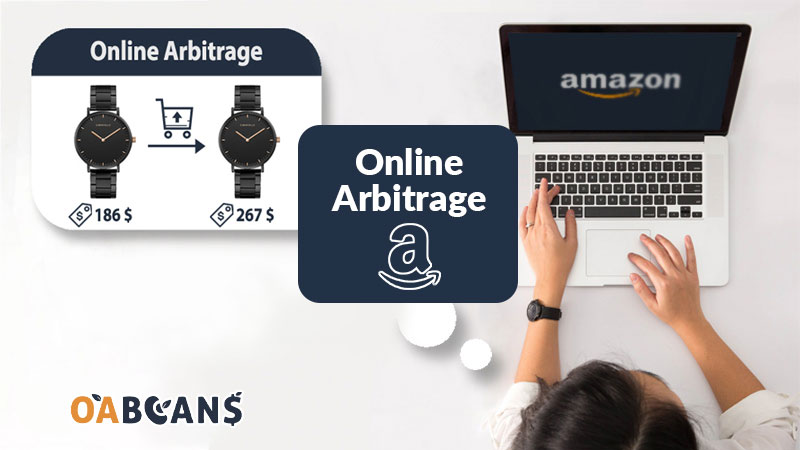
Years ago you could list almost anything on Amazon and sell it quickly. Today you need to find less competitive products, price carefully after fees, keep inventory healthy to avoid storage and low-inventory charges, and, for your own brand, invest in strong listings and photography to reach page 1 of search results. Resale models such as online arbitrage remain one of the lowest-risk ways to start, because you can test small quantities of products that already sell.
😮 Know More About Best Tips for Getting Started Online Arbitrage
How Much Do Amazon FBA Sellers Make?
Many people join Amazon because they want extra income. Jungle Scout’s survey of more than 1,000 active Amazon sellers (its latest report with a detailed earnings breakdown, fielded in early 2024) gives a realistic picture:
- Monthly sales: about half of sellers make more than $1,000 a month in sales, around 30% make more than $5,000, and roughly 1 in 10 make more than $25,000. About 31% sell less than $500 a month.
- Profit margins: 57% of small and mid-sized sellers report margins above 10%, 28% report margins above 20%, and 13% are not yet profitable.
- Average seller: after capping outliers, the average small seller reported about $11,700 in monthly sales at a 21% margin, roughly $2,450 in monthly profit.
- Time to profit: 58% became profitable within their first year, and 22% within three months.
- Startup budget and time: 64% started with less than $5,000, and 71% spend fewer than 20 hours a week on their business.

Remember that sales are not profit. Fees, inventory cost, shipping, and software all come out of revenue, so set a target margin and minimum profit per unit before you start buying, and track real results with a profit tool.
What Sells on Amazon the Most?
Best-selling items on Amazon aren’t automatically the right items for you to sell. Weigh the competition, the demand, your margins, and whether you’re allowed to sell the product before deciding. Every time you pick a product, check that it’s still selling and still profitable, and remember that no strategy guarantees a best seller every time. See our guides to best-selling products on Amazon and the top Amazon product categories for current ideas.

Shopper demand shifts with the economy and the seasons. Everyday consumables such as personal care and household products tend to sell steadily year-round, while toys, games, and gift items peak around Prime Day and the holiday season.
You can find current Amazon best sellers items from here. The list is updated hourly. Notice that best-sellers items are very competitive and every seller has this information like you. Also sometimes best sellers are not profitable enough and nothing can guarantee that the top sellers’ items keep selling very well for a long time. You might sell these items when they are not trending anymore.
Know More: What is Amazon Honeymoon Period?
How Do I Find Most Sold Items on Amazon?
Alongside Amazon Best Sellers, you can use tools and Chrome extensions to find the best items. Many tools show a product’s Best Sellers Rank (BSR) history, price history, and number of competing offers, which together tell you whether a product sells consistently enough to be worth it. If you’d rather not research from scratch, online arbitrage leads deliver products that have already been checked for profit and sales rank. Categories that are popular with resellers include:
- Home & Kitchen
- Beauty & Personal Care
- Toys & Games
- Clothing, Shoes & Jewelry
- Health, Household & Baby Care
Final Thought
It’s not too late to start an FBA business, and Amazon FBA is still profitable in 2026, but only with a strategy. Check the numbers on every product after fees, start small, keep your inventory healthy, and learn from your mistakes. To keep learning, follow the OABeans blog, starting with our guide on how to start an Amazon FBA business.





11 replies on “Is Amazon FBA Still Profitable in 2026? Real Seller Data”
Great article-thanks for sharing so much value!
Hi Jeff.
Thanks for your comment to us.
Definitely an insightful article. I would love to learn more and maybe look for articles that talks about the strategy itself.
Hi Tonyy. Thanks for your comment. If you wanna know more about online arbitrage & Amazon FBA, follow the link below.
https://oabeans.com/blog/
Hi OABeans. Thanks about your good article. Could you please publish article about starting amazon fba business?
Hello Elina. If you want to know more about Amazon FBA business please follow the link below.
https://oabeans.com/amazon-fba-business/
Amazon’s Buy Box algorithm gives equal opportunity to all sellers, ensuring fair competition and allowing you to win the Buy Box based on pricing and performance.
By leveraging Amazon’s reputation and customer trust, online arbitrage sellers can quickly establish credibility and attract buyers who value quality products and reliable service.
With Amazon’s reliable fulfillment services, such as FBA, you can focus on sourcing and growing your retail arbitrage business while Amazon takes care of storage, packaging, and shipping.
Amazon’s strong brand reputation and customer trust make it an ideal platform for resellers, attracting buyers who value quality and reliable service.
By engaging in reselling, you can develop valuable skills in product sourcing, pricing, and marketing, which can be applied to other e-commerce ventures.