

What is Amazon Prime Day?
Prime Day is Amazon’s biggest annual sales event, with deals available only to Prime members. Prime Day 2026 ran for four days, from June 23 to 26, in the US, Canada, and 20+ other countries. Amazon also runs a second Prime-exclusive event in the fall, Prime Big Deal Days, which took place on October 6 and 7, 2026. Like the Amazon honeymoon period for new listings, these events can make or break a seller’s quarter.
For sellers, the work happens weeks before the event: deal submissions close well in advance, and Amazon publishes a recommended date by which FBA inventory should arrive at fulfillment centers. If you miss those windows, you miss most of the extra traffic.
When Is Amazon Prime Day? (2026 Dates and History)
- Prime Day 2026: June 23 to 26 (four days)
- Prime Big Deal Days 2026: October 6 to 7 (two days)
- Prime Day 2025: July 8 to 11 (the first four-day Prime Day)
- 2019 to 2024: two-day events, usually in July (October in 2020 and June in 2021)
- 2015: the first Prime Day, a one-day event
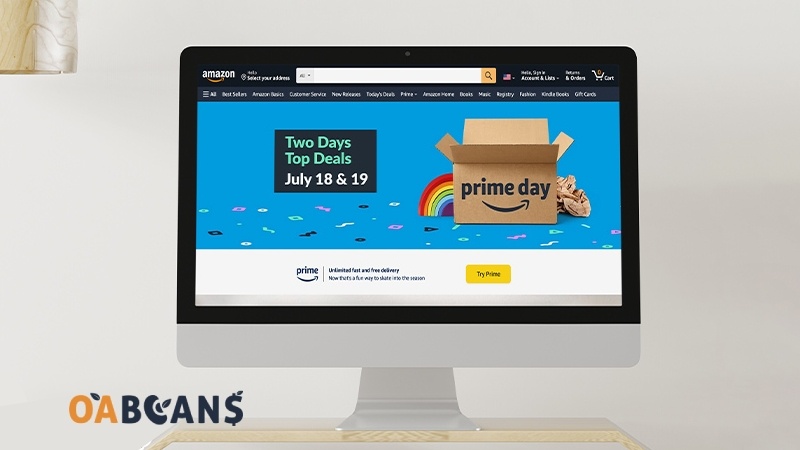
Amazon has not announced dates for Prime Day 2027 yet. Based on recent years, expect the main event in June or July, typically confirmed only a few weeks ahead, plus another Prime Big Deal Days event in October. Plan your sourcing and inbound shipments around those windows rather than waiting for the official announcement.
So, because this event is one of the busiest days of the year on Amazon, it would be great to get prepared for repricing your inventory. Actually, this is very beneficial to use this opportunity to grab some sales during this period. Therefore, do listing optimization in advance of Amazon Prime Day. Boosting your marketing strategy is also vital.
New to selling? Read our step-by-step guide on how to start an Amazon FBA business
How to Get Ready for Prime Day?
Prime Day has grown from a one-day sale into a multi-day event, and preparation now starts one to three months ahead. Here are the steps that matter most for third-party and online arbitrage sellers:
1) Bundle Products First
Tossing a bunch of products together and selling them in one go is one of the best ways to move as much inventory as possible. Indeed, bundling will reduce individual costs associated with selling a single item.

Besides, going through your list and finding old and slow-moving inventory products is essential because, by bundling them with other items, you can make them attractive and sell them at a good discount.
2) Make Sure Your Offers Show the Prime Badge
Prime Day shoppers filter for Prime-eligible offers, so a Prime badge is essential. The simplest route is FBA, where Amazon handles storage, fast shipping, and customer service. If you fulfill orders yourself, you need to qualify for Seller Fulfilled Prime (SFP) and keep up with its strict on-time delivery requirements during the rush.
Compare both options in our Amazon FBA vs FBM guide before you decide how to fulfill your Prime Day stock.
3) Avoid Deals Everyone Else Has
Avoid stocking up on products that every competitor, or another big retailer, is heavily discounting. If Walmart or Best Buy is running the same item at a deep discount, the Amazon price will usually fall too, and your margin disappears. Focus on products where you can still win the Buy Box at a healthy profit.
4) Reprice Strategically
Prices move fast during Prime Day, so set clear minimum and maximum prices in your repricer and watch them closely. Good repricing helps you:
- Build long-term relationships with buyers
- Make as many sales as possible
- Bring extra attention to your store/brand/name/whatever
Compare the best Amazon repricer tools before your next sales event
5) Using Advanced Metrics & Stats
Last but not least is this item which could be a separate post alone. Depending on your Amazon business model, you should take different actions to prepare for Amazon Prime Day.
- Private Label
- Improve your marketing and advertising strategies.
- Create Amazon Ads campaigns (Sponsored Products and Sponsored Brands) specifically for Prime Day, and raise budgets before the event starts.
- Follow Sponsored Products and look into how they can benefit you on this day.
- Online Arbitrage
- Review your current inventory and reprice old stock items.
- Check your listing and offer products that don’t normally sell well.
- Use an online arbitrage sourcing list to source new products and build up your inventory for the big event.
Online arbitrage sellers can also work Prime Day from the buying side: many retailers run competing sales at the same time, which creates extra sourcing opportunities you can resell into strong Q4 demand.
6) Send FBA Inventory Early and Check Your Capacity
Fulfillment centers get busy in the weeks before Prime Day, and check-in can take longer than usual. Ship early enough to meet Amazon’s recommended arrival date, and confirm you have room under your FBA capacity limits before you buy extra stock. Deals for Prime Day are also submitted weeks in advance in Seller Central, so set reminders as soon as Amazon opens submissions.
Follow these steps and you will be ready for the next Prime Day and for Prime Big Deal Days, which together with Black Friday and Cyber Monday are the busiest selling periods of the year.
Know More: How to Resell Products on Amazon?
Final Thought
Prime Day 2026 is behind us, but the next Prime event always comes sooner than expected, so start preparing early. With the right inventory, pricing, and timing, you can turn the next Prime Day into one of your most profitable weeks of the year. It’s essential to focus on optimizing your products’ success once you’ve identified the ones you want to promote. Parallelly, focusing on physical inventory and deciding on products to include is also crucial to success as an Amazon seller.
Amazon Prime Day FAQs








11 replies on “Amazon Prime Day 2026: Dates & How Sellers Should Prepare”
The wish list feature on Amazon Marketplace has been a lifesaver for me – it helps me keep track of items that I want to purchase in the future.
The insights shared here are invaluable for anyone looking to excel at online arbitrage on Amazon.
I’ve saved so much time by using these techniques for online arbitrage on Amazon.
Your website is an excellent resource for Amazon reselling case studies. I love reading about real-life examples of successful resellers.
Your site is a one-stop-shop for everything Amazon reselling. I don’t need to go anywhere else to learn about this business.
Your website is an excellent resource for Amazon FBA sellers, providing valuable insights and advice to help them succeed in a competitive marketplace.
The comprehensive analytics and reporting provided by Amazon help online arbitrage sellers track their sales performance and make data-driven decisions.
I appreciate the fulfillment services provided by Amazon for resellers. With FBA, I can focus on sourcing products while Amazon takes care of storage, packaging, and shipping.
Retail arbitrage on Amazon allows you to bundle complementary products sourced from different physical stores, creating unique offerings for customers.
By leveraging Amazon’s trusted brand and customer base, sellers can gain instant credibility and attract a larger audience.
Retail arbitrage on Amazon offers a low barrier to entry, making it accessible to individuals looking to start their own profitable e-commerce venture without significant upfront investment.