

Quick answer: To resell products on Amazon, open a seller account, buy genuine products for less than they sell for on Amazon (from online stores, retail shops, or wholesalers), confirm you’re allowed to sell each brand and category, list them on the existing product pages, and ship them to Amazon with FBA or fulfill them yourself. Reselling is legal and can be profitable, as long as you sell authentic, correctly described items and check your profit after Amazon’s fees.
What Is an Amazon Reseller?
Amazon is one of the most popular marketplaces for reselling products. An Amazon reseller buys existing branded products somewhere else at a lower price and sells them on Amazon for a higher price to earn a profit. Resellers source from online stores, physical retail stores, wholesalers, distributors, or manufacturers, and usually list their offers on product pages that already exist rather than creating a new brand.
Unlike private labeling, reselling focuses on ready-made, branded items. With this strategy, a seller can build an entire business by doing it the right way, and most resellers use an Amazon FBA business model (Fulfillment by Amazon) so Amazon stores and ships their inventory.
The most common Amazon reselling business models are:
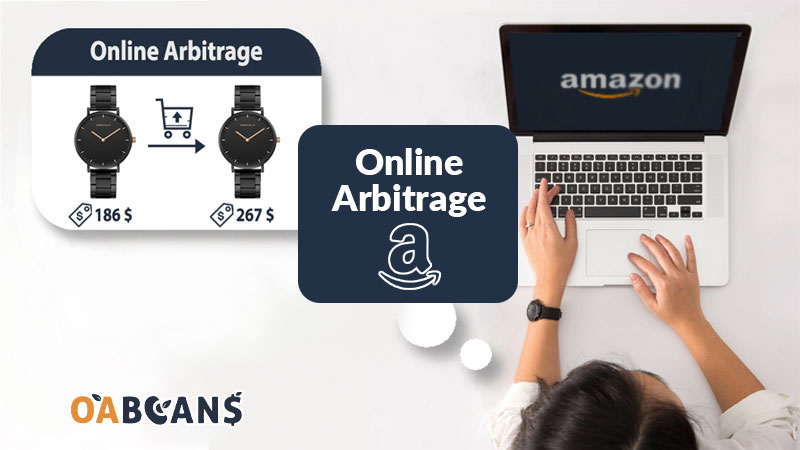
- Online arbitrage: buying discounted products from online retailers and reselling them on Amazon. It’s the easiest way to start from home with a small budget.
- Retail arbitrage: buying clearance and sale items in physical stores, usually with a scanner app to check profit on the spot.
- Wholesale: buying in bulk from brands or authorized distributors, which gives you repeatable inventory and invoices Amazon accepts.
- Books and used items: reselling used books and other items in Used condition, following Amazon’s condition guidelines.
How Do I Become an Amazon Reseller?
It is not difficult to become an Amazon FBA reseller. But a part of success on Amazon is well understanding of how to build your Amazon business set up and how to get working efficiently. Basically, you should follow the below steps:
- Register as an Amazon seller: create a Seller Central account and pick a plan. The Individual plan charges $0.99 per item sold; the Professional plan is $39.99 per month and is the better fit for most resellers.
- Choose what you want to sell: look for products with steady sales rank, healthy price history, and few competing offers.
- Find suppliers for your products: online stores, local retailers, or wholesalers. Our list of the best online arbitrage websites is a good starting point.
- Check that you can sell it: some brands and categories are restricted. Search the ASIN in Seller Central before you buy, and learn how to get ungated on Amazon when needed.
- List your products: add your offer to the existing product page with the correct condition and price.
- Use FBA: prep, label, and ship your inventory to Amazon so your offers are Prime-eligible.
- Win the Buy Box: competitive pricing and good account health help you win the Amazon Buy Box, where most sales happen.
🤨 Read More: How to Start Selling Wholesale Products on Amazon?
Is Reselling Allowed on Amazon?
Yes. In the US, the first-sale doctrine generally lets you resell genuine products you have legally bought, so it is legal to buy a product from a store, wholesaler, or manufacturer, mark up the price, and resell it for a profit. You don’t need a brand’s permission to resell its genuine products in most cases, but that doesn’t make you an “authorized reseller” (a status only the brand can grant), and some brands and categories on Amazon require approval before you can list them.

Once you buy a product, you own it, and you are generally free to resell it. Just make sure it’s authentic and sold in the condition you describe. Amazon can ask for supplier invoices to verify authenticity, and it often won’t accept ordinary retail receipts for that, so keep every purchase record and buy from reputable sources. Also check the restrictions on specific brands and categories before you buy. If you’re an OABeans leads member, you get free access to our Amazon ungating course, which explains how to apply; approval is always Amazon’s decision.
Is Reselling on Amazon Profitable?
Yes, reselling on Amazon can be worth it, but competition is real. As a new reseller, you compete with many established sellers on the same product pages, and every sale carries a referral fee (15% in many categories) plus FBA fulfillment and storage fees. The tricky part is finding products that still leave a profit after those costs and that actually sell: a great deal on a product isn’t worth anything unless it sells at a good price within a reasonable time. Check each product’s sales rank, price history, number of FBA offers, and fees before you buy, and track your results so you know your real margin.
What Are the Best Products to Resell on Amazon?
The best products to resell are ones you’re allowed to sell, that sell consistently, and that you can buy well below the Amazon price. Good candidates usually share these traits:
- Consistent demand: a steady Best Sellers Rank in its category rather than a one-time spike.
- Healthy margin: enough profit per unit after referral, FBA, and inbound costs (many resellers aim for a 30% ROI or more).
- Limited competition: a manageable number of FBA offers and no Amazon offer dominating the Buy Box.
- Small and light: standard-size items cost less to ship and store.
- Ungated or approvable: brands and categories you can sell without risking IP complaints.
Popular reselling categories include toys and games, home and kitchen, health and household, beauty, and sports and outdoors. For more ideas, see our guide to the best-selling products on Amazon, or save research time with ready-to-buy online arbitrage leads.
Read More: Is Amazon FBA Still Profitable in 2026?
How to Succeed as an Amazon Reseller?
Amazon is one of the world’s leading online retail platforms, with billions of visits every month, so succeeding as a reseller there is demanding. You need to stay up to date with Amazon’s ever-evolving requirements, fees, and trends.

Here are the most important habits to adopt to become a successful Amazon FBA reseller:
- Keep your prices competitive (a repricer can help)
- Diversify your sourcing list
- List your products correctly
- Choose the right pricing strategy
- Participate in Amazon Prime
- Select the right fulfillment option
- Go global
- Customer service
Why does an Amazon Reseller Fail?
Usually, not many people like to focus on the negative point. However, the reality is that not everyone who starts a business on Amazon succeeds. In general, there are many reasons for their failure, but here we want to mention some of the crucial points.
- High Risk of account suspension
Suspensions happen when Amazon believes you have violated its policies. Among the most common reasons for resellers are authenticity complaints (Amazon suspects counterfeit products, often after a brand files a complaint and you can’t provide valid supplier invoices) and condition complaints, such as selling an item as New when it is used, opened, or missing its original packaging. Learn how to protect and recover your account in our guide to fixing an Amazon account suspension.
- Picking the wrong product
Don’t rush and pick the first product that looks good. You need to consider many factors to choose a product for reselling, such as high demands, low competition, and seasonal items. So put in enough time for researching.
Don’t Miss Our Tips for Getting Started With Online Arbitrage!
- Lack of learning
Never stop learning. Amazon’s fees and policies change every year, so if you want to keep growing, rely on trusted, up-to-date information and your own sales data.
- False expectation
There is an assumption that success comes quickly and rapidly as an Amazon FBA reseller. Unfortunately, this is a false message. It needs much effort.
- Money Management
One of the most fundamental principles in your business is money management, which is the key to long-term success. For avoiding fall short of your cash, start writing down all your expenses.
- Lack of investment
You should invest in your business via your team, your resources, and different services
- Accounting (Purchasing)
You need a system to manage your accounting and track your real profit per product after fees. Several profit and accounting tools are built for Amazon sellers; see our Sellerboard review for one popular option.
- No diversification
Don’t put all your effort into one successful product. Make sure that you have 4 other products at the point. Then, if you lose your profit from one, you still have 4 other running products.
- Lack of Data selection
You need to monitor the data that Amazon gives you. This data provides all the information we require about the products.
Final Thought
Buying products in one place and reselling them on Amazon for a profit is a proven business model, and Amazon allows it as long as you sell authentic products, describe their condition accurately, and follow its rules for restricted brands and categories. Becoming a successful Amazon FBA reseller won’t happen overnight; it takes research, cash management, and consistent effort. Use the habits above to grow your sales and profit, and avoid the mistakes that make resellers fail. To keep learning, follow the OABeans blog.
FAQ
Is reselling on Amazon worth it?
It can be. Reselling lets you start with a small budget and products that already have proven demand, without building a brand. It’s worth it if you consistently find products with enough profit after Amazon’s fees and keep your account healthy.
Does Amazon have a reseller program?
There’s no separate “reseller program.” Resellers sign up as third-party sellers in Seller Central and choose the Individual or Professional selling plan. FBA is an optional fulfillment service on top of your seller account.
Can I resell Amazon products on my own website?
You can resell items you have bought and own. If you want to promote Amazon products on your website without holding inventory, the Amazon Associates affiliate program pays commissions on qualifying purchases. Ordering from Amazon only after a customer buys from you (dropshipping) runs into policy problems on most marketplaces, so check the rules first.
Do I need permission to resell brand-name products on Amazon?
Not usually, if the products are genuine and new as described. However, some brands and categories are gated and require Amazon’s approval, which often means providing invoices from an authorized supplier.





11 replies on “How to Resell Products on Amazon: Reseller Guide for 2026”
Reselling on Amazon is getting harder. IP complaints, account suspensions, new sellers …
Still, it has a profit but maybe not a big one
Hi Paul.
We’re so pleased to hear from you.
I’ve saved so much money on Amazon Marketplace compared to shopping in physical stores.
Your insights on Amazon pricing strategies are really helpful. I’ve increased my profits by implementing some of your ideas.
With Amazon FBA, you can rest assured that your orders will be processed quickly and accurately, leading to higher customer satisfaction rates.
I appreciate the fact that your website provides insights into both the challenges and opportunities presented by Amazon Marketplace, helping sellers to navigate the platform more effectively.
With Amazon’s customer feedback system, resellers can build trust and credibility by providing excellent products and customer service.
With Amazon’s secure payment system and reliable transaction process, you can conduct reselling transactions with confidence and peace of mind.
The competitive marketplace on Amazon encourages you to continually improve your sourcing strategies and offer unique products to stand out from the crowd.
Reselling on Amazon offers the opportunity to learn and adapt, as you navigate market trends and discover new profitable product categories.
The Amazon FBA program offers sellers competitive shipping rates, allowing them to offer free or discounted shipping to attract more customers.