


Quick answer: online arbitrage (OA) means buying existing branded products from online retailers and reselling them on Amazon for a profit, while private label means selling your own branded product made by a manufacturer. OA is cheaper and faster to start and lower-risk per product, but margins vary and some brands are gated. Private label needs more capital and time and carries more risk, but you own the brand, control the listing and can build a long-term asset. Many sellers start with OA and use the profits to fund a private label brand later.
What is Online Arbitrage?
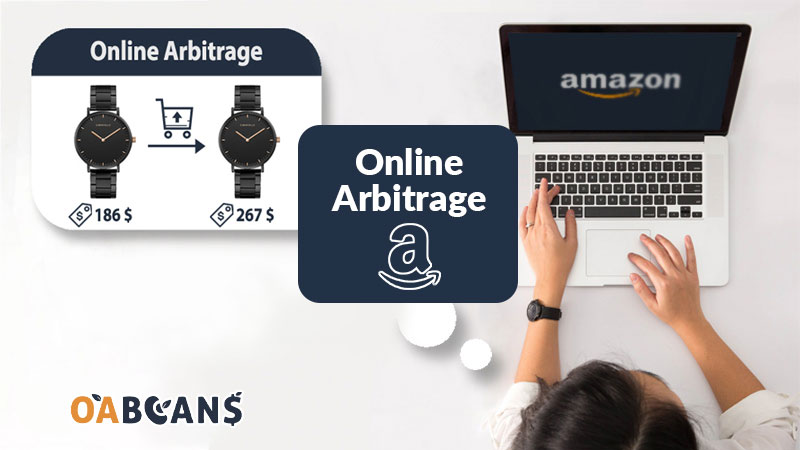
Online arbitrage means buying products from online stores (such as Walmart.com, Target.com or brand websites) at a lower price and reselling them on Amazon at a higher price. The products are branded, and another company owns the brand. Buying the same kind of products in physical stores, clearance aisles or garage sales is called retail arbitrage. In both models, you are always trying to buy something at a lower price and sell it at a higher price.

Advantages of Online Arbitrage
If you want to make the best decision, you need to find the benefits and problems of each model. So here is a list of advantages of online arbitrage:
1. Easier than other business models
In online arbitrage, you don’t want to make or design a product from scratch and sell what others have made before. So it has fewer hassles than other models.
2. Many different products ready to be sold
How many products do we have? Millions? Billions? We don’t know the accurate number of products we can sell using online arbitrage, but we know every product is an opportunity to make a profit.
3. Small capitals work too
In online arbitrage, you don’t need to invest hundreds of thousands of dollars to establish your business. Small capital can work to start your business.
4. Selling different products to different customers
You are buying the products, so what would stop you from having a different list, from toys to kitchen appliances? You can supply many different categories and items like Walmart!
Disadvantages
1. The brand isn’t yours
A few years ago, this wasn’t a noticeable problem, but today Amazon and brand owners restrict many more categories and brands. Sellers often need to apply for approval (ungating), usually with invoices from authorized suppliers, before they can list these items, and brand owners can file IP complaints against unauthorized resellers. OABeans members get free access to The Ungating Sprint, an Amazon ungating course that helps you prepare applications (Amazon makes the final decision).
2. The profit margin is varying
Your profit margin depends on the product, time, and the provider you buy from. It can be very small or very big. Your profit is limited because the retailer, brand owner, and Amazon want their shares from the profit.
3. So many hands-on responsibilities
You must find good online arbitrage deals daily, source the products, list them, and follow up on customers’ problems. If you want to do everything on your own, it’s time-consuming and a bulky process. But if you automate your OA business or hire a VA, you can free up your time.
What is a Private Label?
Private labeling means selling a product under your own label or brand. You can manufacture the product yourself or, more commonly, have a manufacturer make it for you. When you do private label, you own the brand and the listing.

Because it’s your brand, you don’t need brand approval to sell it (category approval can still apply in some gated categories). Many private label sellers source from manufacturers in China through platforms like Alibaba, though more sellers now also work with suppliers in other countries or in North America. To protect the brand on Amazon, you’ll usually want to enroll in Amazon Brand Registry, which requires a registered or pending trademark.
Advantages of Private Label
1. Full control of the product
You decide how to design your product, how are the label and packaging and how much the price is. It is a great advantage because you can earn the biggest part of the profit.
2. Long-term asset
If you can sell your product successfully, you can keep producing it again and have a few products that sell very well.
3. Selling your brand
When you have a successful brand, many want to buy it, and you can sell your brand for millions.
4. No daily bulky process
Once you’ve decided to do private label, you don’t need to do research every day and spend so many hours. You can do it again and again and just should keep the selling high. Even you can put it on different platforms or open a brick-and-mortar store.
5. Optimizing a product
Sometimes you use a product, and you think, “it would be way better if it could do this”. Or you see the reviews about a product, understand the customers’ expectations, and try to improve the product. So you can consider it when you are ordering the product. You can redesign or optimize the product.
Disadvantages of Private Label
1. High capital is needed
You have to invest highly upfront. The manufacturer never accepts orders of 10 units. All the manufacturers have a minimum order quantity that costs high.
2. High risk
Before researching and investing, you don’t know if your private label business will succeed. In online arbitrage, you face lower risk. Using different tools and software, you can predict many things and do limit the risk.
Online Arbitrage vs. Private Label: Side-by-Side Comparison
| Factor | Online Arbitrage | Private Label |
| Startup capital | Low; you can start with a few hundred dollars and buy a few units per product (see how much capital you need) | High; manufacturer minimum order quantities, samples, branding, photos and launch ads usually cost several thousand dollars |
| Time to first sale | Days to a few weeks | Usually several months (product research, manufacturing, shipping, launch) |
| Risk per product | Lower; small test buys and many products | Higher; a large order on one product that may not sell |
| Profit margin | Varies by deal; you share the margin with the brand and the retailer | Potentially higher once the product is established |
| Brand control | None; you compete with other sellers for the Buy Box | Full; you control the listing, price and packaging |
| Main challenges | Gated brands, IP complaints, price drops, daily sourcing | Competition, PPC costs, supplier quality, copycats |
| Long-term asset | Business skills and cash flow, but no brand equity | A brand you can grow or sell |
What About Retail Arbitrage vs. Private Label?
Retail arbitrage vs. private label works much like the comparison above: retail arbitrage also resells existing brands, just bought in physical stores instead of online. It has the same low capital needs and gating risks as OA, but it is harder to scale because you have to visit stores in person. Online arbitrage lets you source from hundreds of websites from home, which is why many resellers move from retail to online arbitrage. Read our full comparison of online arbitrage vs. retail arbitrage for details.
Online Arbitrage or Private Label; Which One Is Better for You?
So, which one is better? Private label and online arbitrage? There’s no certain answer. You need to choose the best business model based on your situation. If you are just starting your Amazon business, we suggest you choose online arbitrage. It’s easier to learn, and you don’t need to invest so much money upfront. But there is always the risk of facing a restricted brand you cannot sell. You don’t need to choose one; you can make money from online arbitrage and private label together. Fund the money you make from online arbitrage to establish your private label business.
Private label has many advantages like big profit margin and owning the brand. But you should invest a few thousand dollars upfront. So, you need to know the market beforehand and research a lot.
How to Start Online Arbitrage with OABeans
Starting a business in online arbitrage doesn’t necessarily mean spending a lot of money, at least not in the first few months. At OABeans, we make one of the most challenging parts of the business easier for you: sourcing products. Our online arbitrage leads are found and checked by our team and delivered to your members’ dashboard every weekday.
What you sell and where you buy it matters. Your sourcing decisions affect your profit and the long-term health of your business. We have Starter, Growth and Scale plans for Amazon US and Amazon Canada; as of October 2026, plans start at $108/month for the US and $58/month for Canada, each with a 3-day free trial for new subscribers and a cap of 20 members per plan. Every leads plan also includes free access to The Ungating Sprint course. Compare the plans on our pricing page.

Final thoughts
Selecting a path for your business depends on many different factors, one of the most important ones being how much time you are willing to spend. Private Labeling takes more time and effort in comparison with OA. Know your sources, learn the ups and downs of each model, and then make the final decision.
FAQ
Is online arbitrage or private label more profitable?
Private label can earn higher margins per unit once a product is established, but it needs more capital and carries more risk. Online arbitrage usually has smaller, more variable margins per product, but you can start earning sooner and spread your risk across many products.
Which is better for beginners?
For most beginners, online arbitrage is easier: it needs less money upfront, teaches you how Amazon fees, sales rank and the Buy Box work, and lets you test products in small quantities. Our step-by-step online arbitrage guide is a good place to start.
Can you do online arbitrage and private label at the same time?
Yes. Many sellers use online arbitrage for steady cash flow and reinvest the profits into launching a private label product, using what they learned about demand and competition from OA.
Is online arbitrage legal?
Yes, reselling genuine products you bought is generally legal, but you must follow Amazon’s policies, respect brand restrictions and keep your invoices. See is online arbitrage legal? for the details.

3 replies on “Online Arbitrage vs. Private Label: Which Amazon Model Is Better?”
Useful Article. Thanks.
Thanks for your comment John 🙏
It sure was nice when you said that there are numerous products that you could be sold using online arbitrage to earn a profit. This must be a good tip to those who are interested in selling products online in order to earn more. I could imagine how they could consider finding a sourcing list in order to provide more options to their target audiences.