
Short answer: no. You do not need an LLC to sell on Amazon. Amazon lets you register a seller account as an individual (sole proprietor) using your own name, ID, bank account and tax information, and you can sell under either the Individual or the Professional selling plan. An LLC becomes worth it later, when your sales grow, you take on partners, or you want to separate business risk from your personal assets.
Below we explain what an LLC is, how it compares with a sole proprietorship, when to form one for your Amazon FBA business, and whether you need a business license, an EIN or a sales tax permit.
What is an LLC?
An LLC (Limited Liability Company) is a US business structure that combines the liability protection of a corporation with the flexible taxation of a partnership or sole proprietorship. By default, a single-member LLC is taxed as a “disregarded entity”, so profits flow through to the owner’s personal tax return. Its main purpose is to separate the owner (member) from the company’s legal and financial obligations.
In addition, they help protect the members’ assets since, if the LLC has financial problems, the member’s personal assets cannot be claimed to meet the company’s debts.
Benefits of Having an LLC
Having an Amazon LLC has many advantages, such as:
- You will project professionalism and confidence – By having an LLC; your business will obtain a legal and juridical personality, allowing it to transmit an image of greater confidence -especially to new clients- and professionalism when dealing with suppliers and investors.
- You protect your personal assets – If the business is sued or cannot pay its debts, your personal savings, home and car are generally shielded, as long as you keep business and personal finances separate.
- A US business presence for non-US sellers – Sellers outside the US do not need a US LLC to sell on Amazon.com, but some choose one to open a US business bank account, receive payouts in US dollars and work more easily with US suppliers and wholesalers.
- Easier access to suppliers and financing – Brands, distributors and lenders are often more comfortable working with a registered business entity, especially if you plan to move into Amazon wholesale.
Note that an LLC is not required for Amazon’s own financing. Amazon Lending is invitation-based: Amazon decides which sellers are eligible based on their sales history and account performance, whether they sell as an individual or as a company.
Do You Need an LLC to Sell on Amazon?
No. Amazon does not require an LLC (or any other business entity) to open a seller account. During registration you can choose to sell as an individual and provide your own name, government ID, bank account, credit card and taxpayer information (SSN, ITIN or EIN). This works for Amazon FBA, FBM, online arbitrage, retail arbitrage and wholesale alike.
Your legal structure is also separate from your selling plan: an individual can use the Professional plan, and an LLC can technically use the Individual plan. If you are unsure which plan fits, read our comparison of Amazon Individual vs Professional seller plans.
If you just want to test the waters, starting as a sole proprietor is the simplest and cheapest option. Once you are determined to grow, an LLC gives you the protection and credibility benefits described above.
Read More: 10 Common Challenges for New Amazon Sellers
Key Differences Between Sole Proprietorship & LLC
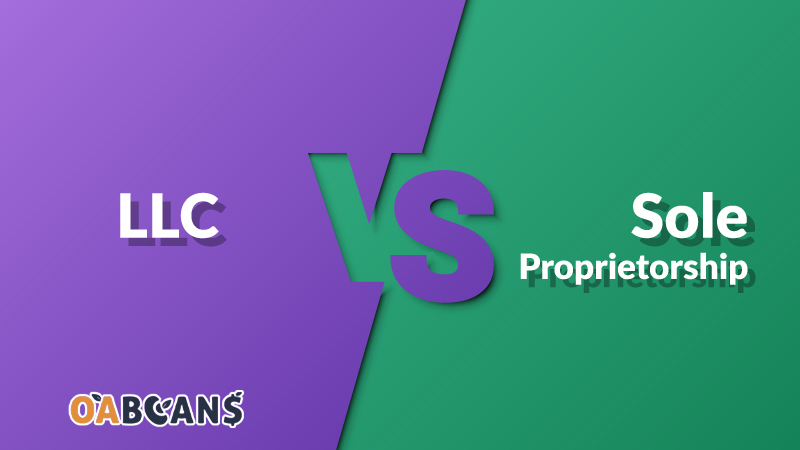
A sole proprietorship is the default structure when one person runs a business without registering a separate entity. It is the easiest way to start: there is usually nothing to file with the state (some cities or counties require a local license or a “doing business as” name registration), and business income is reported on your personal tax return.
The downside is that the business and the owner are legally the same person. The owner contributes the capital, keeps the profits and is personally responsible for all of the business’s debts and liabilities.
LLCs and sole proprietorships differ in many ways. Most significant is protection: while sole proprietors are responsible for any business debt they accumulate, regardless of whether they decide to close the business, those who operate an LLC are individually protected against debt in the business’s name.
However, limited liability companies are subject to more formality; you have to do paperwork and pay fees for its constitution and maintenance, and having more owners implies making decisions and distributing responsibilities.
How to Create an LLC for Amazon FBA?
You can form an Amazon LLC in any of the 50 states or Washington DC in the United States. The state you choose will depend on why you are forming the business. Some US states are more “business-friendly” or “international” than others, notably Nevada, Delaware, and Wyoming.

Once you have decided on the state, you will form the company; go to the state’s website to form a business by following the steps below:
1. Choose a Company Name
You should search to ensure this name is available in your chosen state. If it’s unavailable, your chosen U.S. business registrar or manager will contact you for additional name options and keep working until they find one available.
2. Hire a Registered Agent
A registered agent is a person or company that must have a physical address in the state of incorporation of your company, be available during business hours, and will accept and sign the official legal and state documents of the company.
3. Fill out an Operating Agreement
An operating agreement is a document that clearly states the duties, responsibilities, contributions, etc. This is not a requirement for creating an LLC for Amazon, but it is considered a best practice. It may be required in some states, so check out the requirements for creating an Amazon LLC on your chosen state’s website.
4. File with the Secretary of State
In this step, you file a document called “Articles of Organization” (some states call it a “Certificate of Organization” or “Certificate of Formation”) and pay the state filing fee. Most states also charge an annual or biennial report fee to keep the LLC in good standing, so check both costs before choosing a state.
Good to know: In 2026, FinCEN finalized a rule that exempts companies formed in the United States from federal Beneficial Ownership Information (BOI) reporting under the Corporate Transparency Act. Reporting now applies only to certain foreign-formed companies registered to do business in the US. Rules can change, so confirm the current requirements on FinCEN’s website or with your accountant.
5. Federal Employer Identification Number
The Employer Identification Number (EIN), also called a Federal Tax Identification Number, is a 9-digit number the IRS issues to identify a business. Once the state has approved your LLC, apply for an EIN. It is free when you apply directly with the IRS. US residents can apply online and receive the number immediately; applicants without an SSN or ITIN usually apply by fax, mail or phone using Form SS-4. You will need the EIN to open a US business bank account and to enter your business tax information in Seller Central.
Best Time to Open LLC for Your Amazon Business

The best time to create an Amazon LLC is when you see your business growing and are beginning to take it more seriously. By forming an LLC, you can protect yourself and your business. The best time to create an LLC is:
- When you are serious about growing your Amazon business.
- When you want to separate yourself from your business.
- When you see a steady increase in your monthly sales.
- When you have business partners.
- When you sell risky products that may cause injuries, sporting goods, health and wellness products, and supplements are a few examples of risky products.
Do You Need a Business License to Sell on Amazon?
Amazon itself does not ask for a business license to create a seller account. However, your state, county or city may require a general business license or a registered trade name (DBA) for anyone doing business locally, even online. Requirements vary a lot by location, so check your city and state websites or ask an accountant or attorney.
For online and retail arbitrage you can usually get started without extra paperwork beyond what your local government requires. Wholesale is different: most brands, wholesalers and distributors ask for a registered business, an EIN and a resale certificate (sales tax permit) before they will open a wholesale account with you.
Know More: Amazon FBA Sales Tax: Seller Guide
Do You Need an Employer Identification Number (EIN)?
Not always. A sole proprietor with no employees can sell on Amazon using their SSN (or ITIN). An LLC with employees, or a multi-member LLC, needs an EIN, and many single-member LLC owners get one anyway to keep their SSN off supplier forms and to open a business bank account. Think of it as your business’s social security number.
Getting an EIN is free from the IRS. Be careful with third-party websites that charge a fee for the same application. For arbitrage-specific advice, see our guide on whether you need an EIN for retail arbitrage.
What is a Sales Tax Permit?
A sales tax permit (seller’s permit) registers your business with a state to collect and remit sales tax. Once you have it, you can usually issue a resale certificate to suppliers so you don’t pay sales tax on inventory you buy to resell. Many online arbitrage sellers use resale certificates with retailers that accept them to lower their cost of goods.
For your Amazon sales, every US state with a sales tax now has a marketplace facilitator law, which means Amazon calculates, collects and remits sales tax on orders shipped to those states for you. You may still have registration or filing obligations in your home state or for sales outside Amazon, and income tax is always your responsibility, so check with a tax professional.
FAQ
Can I sell on Amazon without an LLC?
Yes. You can register as an individual (sole proprietor) and sell on Amazon with FBA or FBM. Many successful sellers start this way and form an LLC once the business grows.
Do I need an LLC for Amazon FBA?
No. Fulfillment by Amazon is available to individual sellers too. An LLC is a choice about liability protection and taxes, not an Amazon requirement.
Is an LLC necessary for Amazon wholesale?
Amazon doesn’t require it, but most wholesale suppliers want to see a registered business, an EIN and a resale certificate before they open an account with you. Forming an LLC usually makes wholesale sourcing easier.
Can I change my Amazon account from individual to LLC later?
Yes. After you form an LLC, you can update your business information and tax details in Seller Central. Amazon may ask you to verify the new business details and documents, so plan the change when you have time to respond quickly.
Is Amazon an LLC?
No. Amazon.com, Inc. is a publicly traded corporation. Many third-party sellers on Amazon, however, operate as LLCs or sole proprietorships.
Final Thoughts
You don’t need an LLC to start selling on Amazon. Starting as a sole proprietor keeps costs low while you learn and validate your sourcing. Once your sales are steady, you have partners, or you sell higher-risk products, forming an LLC is a smart way to protect your personal assets and look more professional to suppliers. This article is general information, not legal or tax advice, so talk to a qualified accountant or attorney about your situation.