

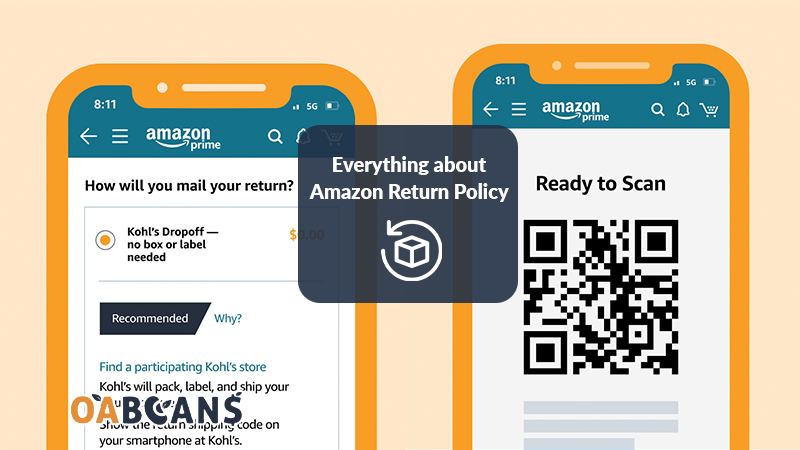
What is Amazon’s Return Policy?
Quick answer: Most items sold on Amazon.com can be returned within 30 days of delivery for a refund or replacement, as long as they are in their original or unused condition. Most returns include at least one free return shipping option, but some categories have different windows, restocking fees, or are non-returnable. Items shipped by third-party sellers go back to the seller, who must follow Amazon’s return policy.
This guide covers Amazon’s return policy as of 2026 from both sides: what buyers can return, and what it means for sellers (FBA and FBM), including returns processing fees and prepaid return labels.
Items that can’t be returned, or can only be returned under special conditions, include:
- Perishable items, such as most grocery products
- Items marked “Final Sale”
- Amazon Pharmacy products and some pet medications
- Customized or personalized items
- Products that pose health or safety risks once sold, and items classified as hazardous materials (hazmat)
- Gift cards and other redeemable products (except where required by law)
- Many digital products, such as downloadable software and online subscriptions after they have been accessed
- Items with special shipping restrictions
- Products missing a serial number or UPC
Opened software, video games, collectible cards, board games and collectible figurines can be subject to restocking fees. Always check the return details on the product page before you buy, because the window and conditions are shown per item.
Know More: How to Answer Questions on Amazon as a Seller?
How Does Amazon Return Policy Work?
The same policy applies to Prime and non-Prime customers. A customer starts a return from Your Orders, chooses a reason, and picks a return method. Most items include at least one free option, such as a drop-off at a UPS Store, Whole Foods Market, Kohl’s or an Amazon location. Heavy or bulky items, or a non-free shipping option, may carry a return shipping fee. Refunds are usually issued once the carrier scans or Amazon receives the item: a few hours for an Amazon gift card balance, about 3–5 business days for a credit card, and up to 10 business days for a debit card.
When Can Customers Return Products?
If the product is new and unused, customers can generally return it within 30 days for any reason. However, not every item follows the same rules. Products sold and shipped by third-party sellers are returned to the seller, and Amazon requires those sellers to offer returns that are at least as favorable as its own policy (a U.S. return address, a prepaid return label, or a full refund without requiring the item back).
A few useful details about Amazon’s return windows:
- Wedding registry gifts: items bought from an Amazon Wedding Registry by someone other than the registry owner have a 180-day return window.
- Baby registry gifts: items bought from an Amazon Baby Registry by someone other than the registry owner have a 365-day return window, and most nonperishable baby products have a 90-day window.
- Holiday purchases: Amazon usually extends its return window over the holidays. For the 2025 season, most items shipped between November 1 and December 31, 2025 could be returned until January 31, 2026 (Apple products had an earlier deadline). Check Amazon’s help pages for the current season’s dates.
- Restocking fees: opened or used software and video games, and opened collectible cards, board games and figurines, can be charged a restocking fee.
- Amazon devices: Kindle, Fire tablet, Fire TV and Echo devices bought from Amazon.com can be returned within the standard window if they are in their original condition.
What Happens to the Returned Products on Amazon?
Amazon’s returns department aims to make sure no product is wasted or tossed away without reason. A returned product that comes to Amazon is put through a detailed inspection process. If it meets the standards and has kept its original condition, it will be tagged as “new” and will be re-listed for sale. Most returned purchases pass the test and become available for reselling. But if they don’t, they will be further inspected and may be sold as “used” through the Amazon warehouse. They can also get returned to the supplier or donated to a charity.

How to Find & Check Return Policy on Amazon?
You don’t need an account to read Amazon’s return policy. Open Amazon’s Help & Customer Service page and choose Returns & Refunds, where you’ll find return windows, exceptions, return shipping costs and refund timing. For a specific item, the product page shows its return eligibility, and the Your Orders page shows the return deadline for each order. Sellers can see every return in Seller Central under Orders > Manage Returns and download FBA customer returns reports, where each item is identified by its ASIN.
Read More: What is Amazon ASIN Number?
How to Change Return Policy on Amazon?
It depends on how you fulfill orders. With FBA (Fulfillment by Amazon), you can’t change the return policy: Amazon handles customer service and returns for you and applies its own policy. Customers can usually request returns within 30 days of receiving their order, and Amazon may extend that window (for example, over the holidays).
FBM (merchant-fulfilled) sellers manage their own returns, but they must still match or exceed Amazon’s return policy. In the US, Amazon’s Prepaid Return Label program now applies to seller-fulfilled orders, and in February 2026 Amazon removed the former high-value item exception, so customers receive an Amazon-generated prepaid return label. To review your return settings:
- Log in to Seller Central.
- Go to Settings > Return Settings.
- Set your return address, return instructions and authorization preferences (requests within policy are authorized automatically).
- Review options such as returnless refunds for low-cost items where shipping the item back isn’t worth it.
Keep your settings consistent with Amazon’s policy so customers aren’t confused. If you’re deciding between the two models, see our comparison of Amazon FBA vs FBM.
How do Customer Returns Affect Your Business?
High return rates hurt your business in several ways. Amazon is very customer-centric: a listing with many returns or negative return comments can trigger product reviews, “frequently returned” warnings, listing deactivations or account health issues. Return reasons usually point to a mismatch between the listing and the product, packaging or shipping damage, or poor customer service. For FBA sellers, returns also cost money through returns processing fees and units that come back unsellable.
Monitor your metrics in the Account Health dashboard and the Voice of the Customer page, and use our guides on how to reduce your return rate on Amazon and how to handle Amazon FBA returns to limit losses.
Amazon Return Policy Changes for Sellers in 2026
Since June 1, 2024, Amazon charges FBA sellers a returns processing fee on products whose return rate is above a category-specific threshold. The return rate compares units shipped in a month with returns received in that month and the following two months, and the fee applies only to returns above the threshold (apparel and shoes are charged a returns processing fee on every customer return). Returns caused by Amazon errors don’t count.
As part of its 2026 fee update (effective January 15, 2026), Amazon introduced a dedicated returns processing fee rate card based on size tier and shipping weight. For FBM sellers, the February 2026 change to the Prepaid Return Label program means Amazon-generated return labels now apply to all US seller-fulfilled orders. Fees and thresholds change regularly, so check the current rate card in Seller Central and your Amazon FBA fees before you buy inventory.
Amazon also gives sellers a returns dashboard in Seller Central, so you can review return rates and reasons by ASIN and fix problem listings early.
Final Thoughts
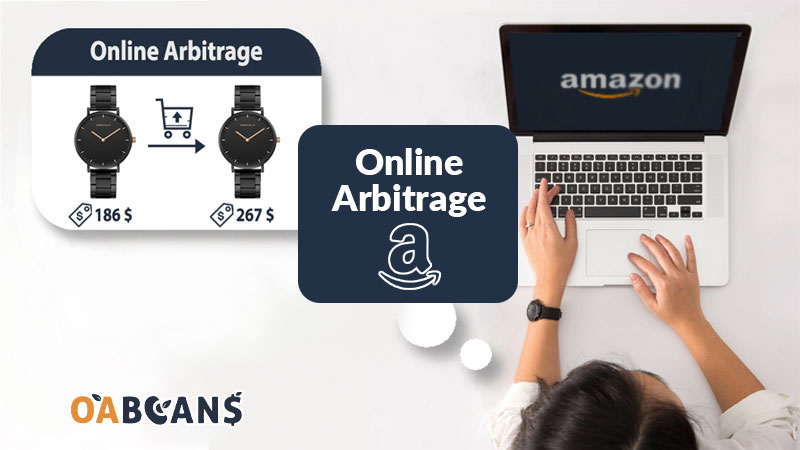
Amazon’s return policy is generous for buyers: most items can be returned within 30 days, often for free. For sellers, that means returns are part of the cost of doing business. Accurate listings, good packaging and careful product selection keep returns low. If you source through online arbitrage, check a product’s return history and category before you buy, and remember that high-return items can eat into your margin through returns processing fees.
FAQs




11 replies on “Amazon Return Policy 2026: What Buyers & Sellers Need to Know”
Amazon FBA can help you reduce the workload of your customer service team by providing automatic updates and tracking information for customers.
Your website is one of the few places I turn to for trustworthy insights on Amazon online arbitrage. Your expertise shines through in your practical advice on everything from pricing to fulfillment.
I appreciate the tips you provide on how to automate the sourcing process for Amazon online arbitrage. The time-saving measures you provide are truly valuable!
Your articles are always backed by data and statistics. I appreciate the effort you put into researching your topics.
I love the options available for Amazon gift cards – there’s something for every occasion and budget.
I appreciate the option to track my package from the moment it’s shipped and all through the delivery process.
The Amazon FBA business model provides an excellent opportunity for entrepreneurs to leverage Amazon’s infrastructure and reach to grow their businesses.
With Amazon’s vast network of fulfillment centers, sellers can reach customers nationwide with fast and reliable shipping options.
The reselling model on Amazon offers a level playing field for both small and large sellers, allowing you to compete based on product quality and customer service.
Amazon’s Seller Central provides a comprehensive dashboard where you can track your online arbitrage sales, monitor inventory levels, and analyze performance metrics.
Online arbitrage allows you to capitalize on seasonal trends, promotions, and clearance sales, maximizing your profit potential during peak buying periods.